
An e-bike for everyday transport should be chosen around repeatable journeys rather than maximum specifications. A commuter riding mostly on paved streets has different needs from a parent carrying shopping or a rider dealing with steep routes and mixed surfaces. Kemoway sells city e-bikes, step-through models, cargo options, full-suspension bikes and folding designs, giving buyers several formats to compare. The practical starting point is a weekly route map that shows distance, hills, storage points and the amount of equipment or cargo the bicycle is expected to carry.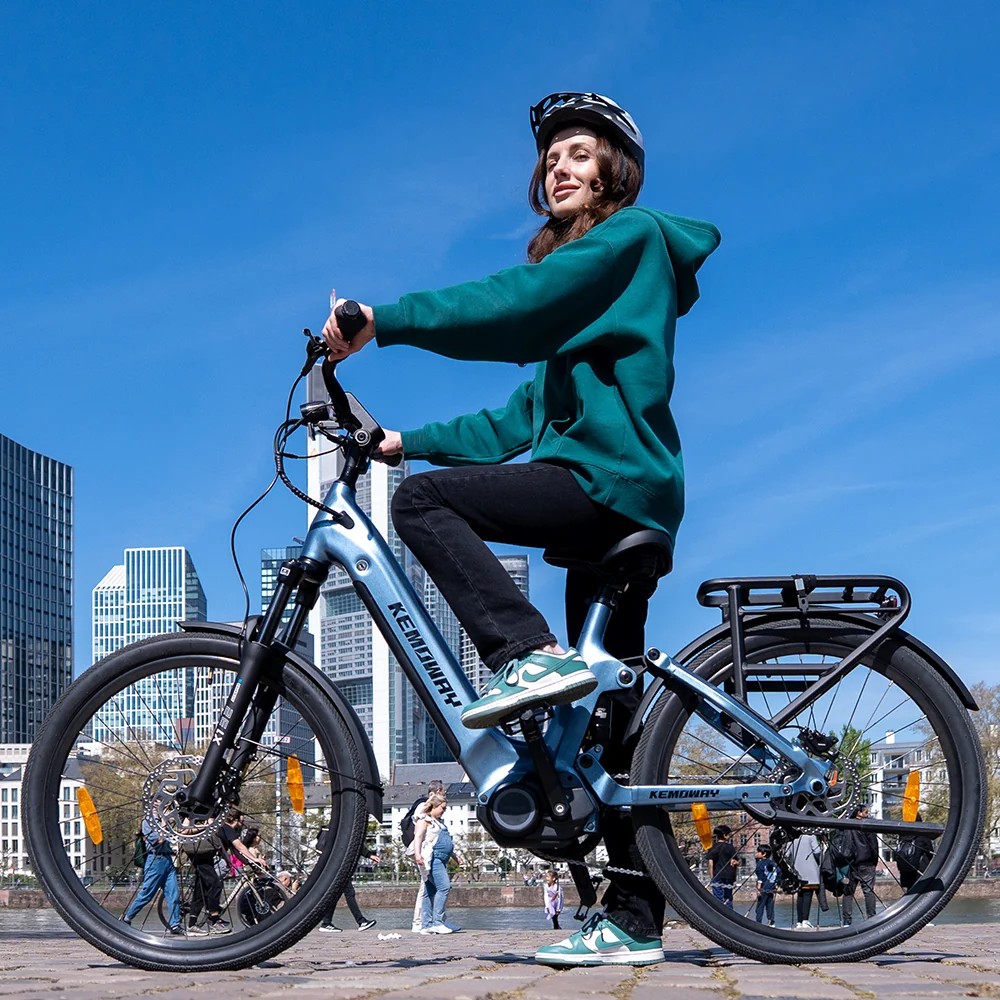
Match the Frame and Motor to Normal Journeys
Frame design affects daily convenience more than many buyers expect. Step-through frames can make repeated stops easier, while a conventional frame may appeal to riders who prioritise stiffness or a familiar riding position. Folding e-bikes can solve storage or train-connection problems but may involve smaller wheels or different handling. Cargo models add carrying capacity but also require more room at home. The right choice is therefore linked to where the bike will be parked, how often it will be lifted and whether the rider needs to mount and dismount frequently.
Motor support should be viewed in relation to terrain and load. A rider on flat city streets may be satisfied with moderate assistance, while frequent hills or cargo can place more demand on the system. Kemoway carries several e-bike categories, so comparisons should focus on the complete riding use rather than one headline number. Legal limits and local road rules also matter, especially when motor output, assisted speed and equipment requirements are considered. A practical commuter needs predictable assistance more than an impressive specification that does not match the route.
Treat Battery Planning as Part of Route Planning
Battery capacity becomes easier to judge when the rider estimates a normal week rather than relying only on advertised maximum range. Real consumption changes with rider weight, tyre pressure, wind, hills, temperature, assistance level and cargo. Charging access can be just as important as capacity. Someone able to charge every evening may not need the largest battery, while a rider storing the bicycle away from a socket may value extra reserve. A removable battery can also affect convenience if charging takes place indoors.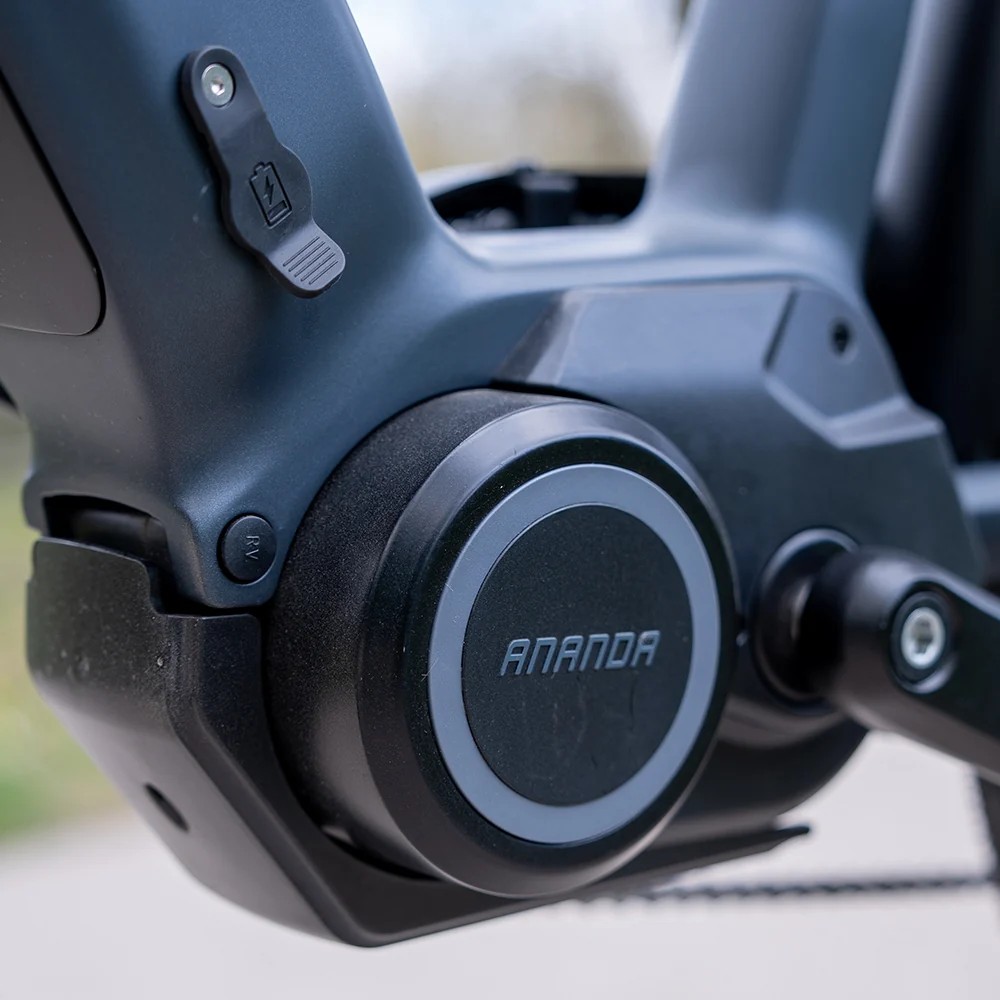
Replacement and accessory availability should be checked before purchase. Kemoway lists batteries, chargers, locks and model-specific accessories alongside bicycles, which gives buyers a clearer view of ownership beyond the first day. A compatible spare charger can be useful between home and work. A suitable lock is essential when the bicycle will be left in public areas. Fenders, racks, lights and carrying solutions can matter more in daily use than cosmetic upgrades.
Look Beyond the Bike to Carrying and Security Needs
A short evaluation checklist keeps practical needs visible when several models appear attractive. Each point should be considered against the same typical journey.
- Daily distance should be estimated with a reserve for detours, wind and stronger assistance use.
- The bicycle should fit the available storage space and any stairs, lifts or narrow doors on the route.
- Locks, lights, racks and weather protection should be included in the ownership budget from the start.
- Local rules for assisted bicycles should be checked before selecting motor and speed specifications.
Test Comfort Before Chasing Extra Features
Comfort should be tested through riding position, saddle height and reach rather than judged from frame size alone. Kemoway operates a showroom and service contact in Germany, which can help riders who want direct support before or after purchase. A test ride is especially useful for checking low-speed balance, braking feel and the ease of starting on an incline. Small differences become more important when the same route is repeated several days each week.
Maintenance also deserves a place in the decision. E-bikes still need ordinary bicycle care such as tyre checks, brake inspection, chain maintenance and correct fastener tension. The electrical system adds charging habits, connector care and software or display considerations. A rider who understands where service will come from and how replacement parts are obtained is in a stronger position than someone who chooses only by price. Storage in a dry and reasonably secure place can also extend the life of components.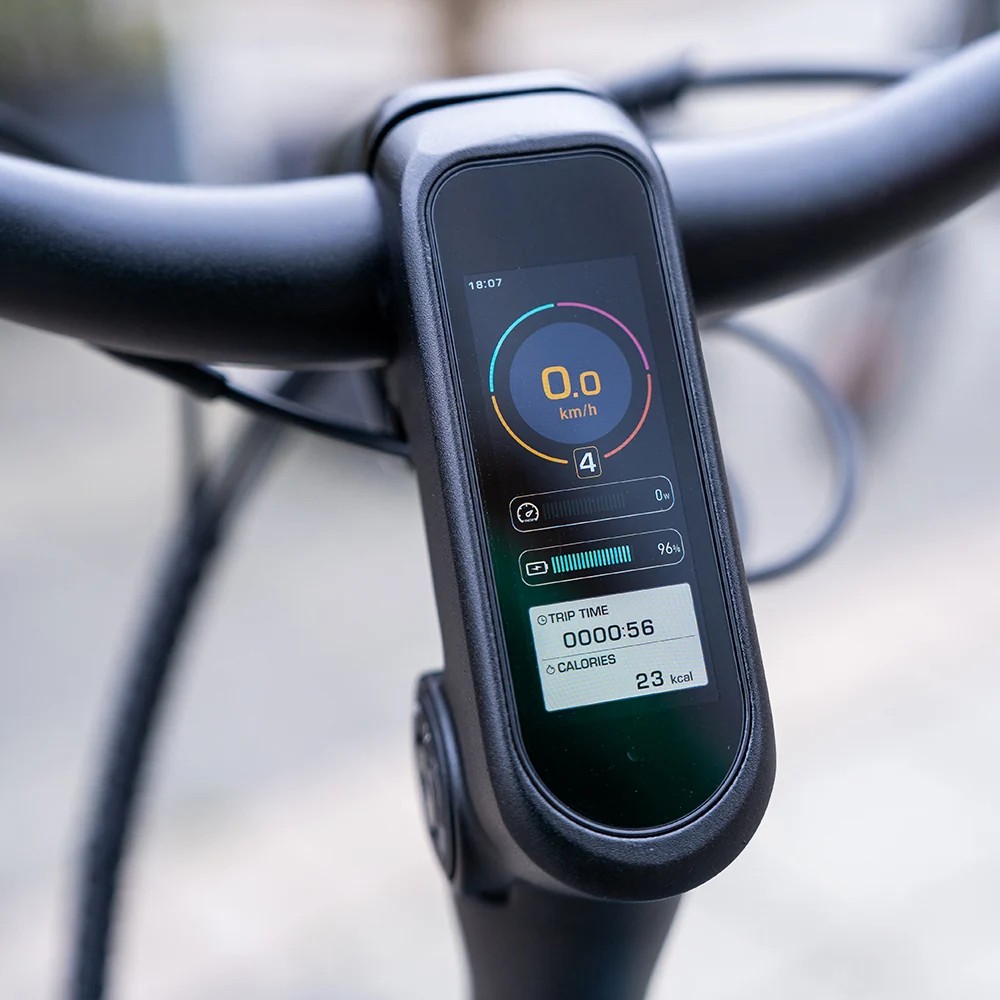
Weather and carrying conditions deserve separate thought because they influence how often the bicycle can replace another form of transport. A commuter who plans to ride through light rain may value full fenders, reliable lights and tyres suited to wet streets. A parent or shopper may need a rear rack, panniers or a cargo area that keeps weight stable. The extra load should be considered when estimating range and braking demands. Clothing can also affect comfort, especially if the rider arrives at work and needs to transition quickly into another setting. A chain guard, step-through frame or upright position may reduce some everyday inconvenience. None of these details is dramatic in isolation, but together they determine whether the e-bike fits naturally into a routine. Practical equipment often has more influence on repeated use than an additional performance feature that appears impressive only on paper.
A useful urban e-bike is one that removes friction from regular journeys. Kemoway gives shoppers several formats to compare, but the best fit depends on route, storage, carrying needs and charging routine. Range and power matter, yet they should support those conditions rather than dominate them. When the bicycle is comfortable to mount, easy to secure and simple to keep charged, it is more likely to become genuine transport instead of an occasional piece of equipment.