
At-home skin tag products should be approached with more caution than ordinary skincare because not every raised mark is a skin tag. Moles, warts and other skin changes can look similar to an untrained eye. TagBand UK sells ligation devices designed for skin tags, but the first step should still be confidence that the growth is appropriate for that type of product. Any uncertain, changing, painful, bleeding or unusual lesion deserves assessment by a qualified healthcare professional before an at-home method is considered.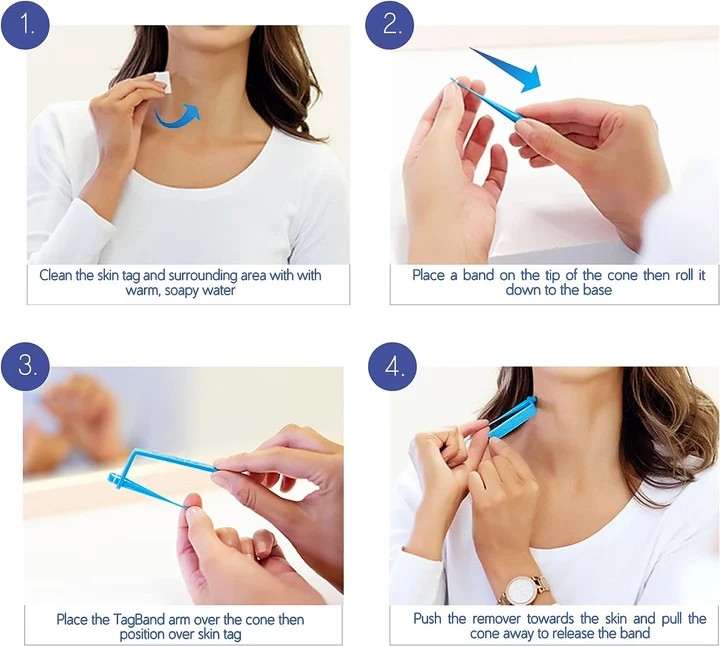
Confirm That the Skin Growth Is Appropriate for Home Care
Skin tags are generally soft, benign growths that can appear in areas of friction, yet appearance alone is not always enough for a safe self-identification. A person should avoid trying to remove a growth simply because it is small or raised. Colour, attachment, location and recent change all matter. When there is doubt, professional advice is more appropriate than experimentation. This is particularly important for sensitive areas, places that are difficult to see clearly and growths close to the eyes or genitals.
Ligation works by placing a small band around the base of a suitable skin tag to restrict its blood supply. TagBand UK offers original and automatic versions intended for different levels of access. This type of device is not a cutting tool and should not be treated as one. The manufacturer’s size limits, placement instructions and exclusions need to be followed closely because a band that is placed on normal skin can cause unnecessary injury.
Understand What Ligation Devices Are Designed to Do
The application area should be clean and dry, and hands or reusable components should be handled hygienically according to the instructions. Good lighting is important. A mirror or help from another adult may be sensible for hard-to-see locations if the product instructions allow it. The user should not improvise with extra bands, sharp tools or chemicals to speed the process. Home treatment is safer when it stays within the device’s intended method.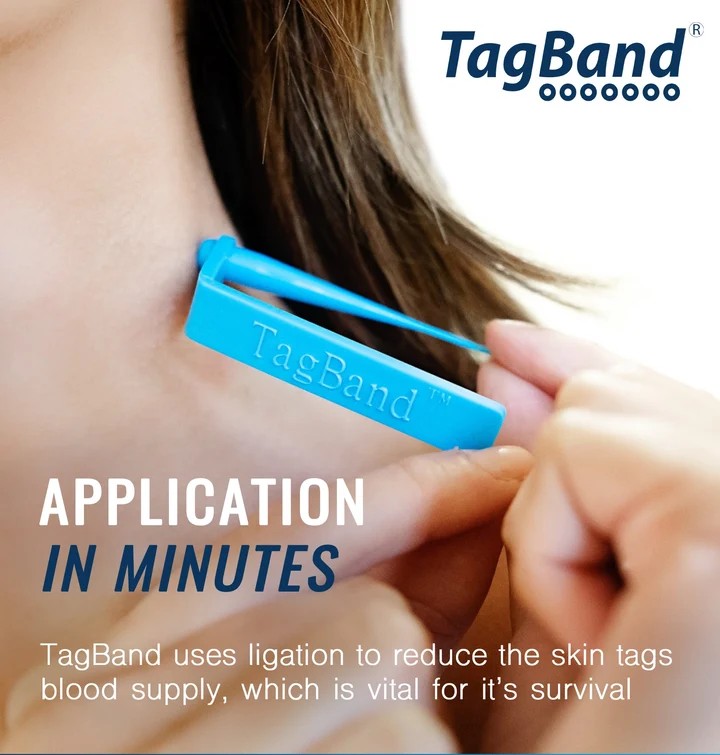
Product choice should also reflect reach. TagBand UK describes its automatic device as suitable for one-handed application and its original version as an option for easier-to-reach areas. That distinction matters because poor visibility or awkward hand position can lead to inaccurate placement. A growth that cannot be seen and accessed comfortably may be better handled by a clinician rather than by forcing a home method into an unsuitable location.
Follow Hygiene and Aftercare Instructions Closely
A few safety checks should be completed before any device is applied. These checks do not diagnose the growth, but they can identify situations where home treatment should stop.
- The growth should already be confidently identified as a skin tag rather than a mole, wart or unexplained lesion.
- The size and location should fall within the device instructions and should be easy to see and access safely.
- The area should not show unexplained bleeding, marked colour change, rapid growth or other concerning changes.
- A healthcare professional should be consulted when medical conditions, medicines or healing problems could raise risk.
Know Which Changes Require Professional Assessment
After application, the area should be left alone except for the care steps described by the manufacturer. TagBand UK provides instructions for its devices, and those instructions should take priority over informal advice found elsewhere. Pulling, cutting or repeatedly touching the treated tag can increase irritation. Clothing that rubs directly against the area may also be uncomfortable, so a loose covering may be preferable when practical.
Changes around the area should be monitored. Mild local discomfort may occur with some methods, but significant pain, spreading redness, swelling, pus, fever or persistent bleeding are reasons to seek medical advice. A tag that does not behave as expected or a growth that changes in an unusual way should also be reassessed. People with conditions that affect healing or immunity, or those taking medicines that influence bleeding, should discuss home procedures with a healthcare professional first.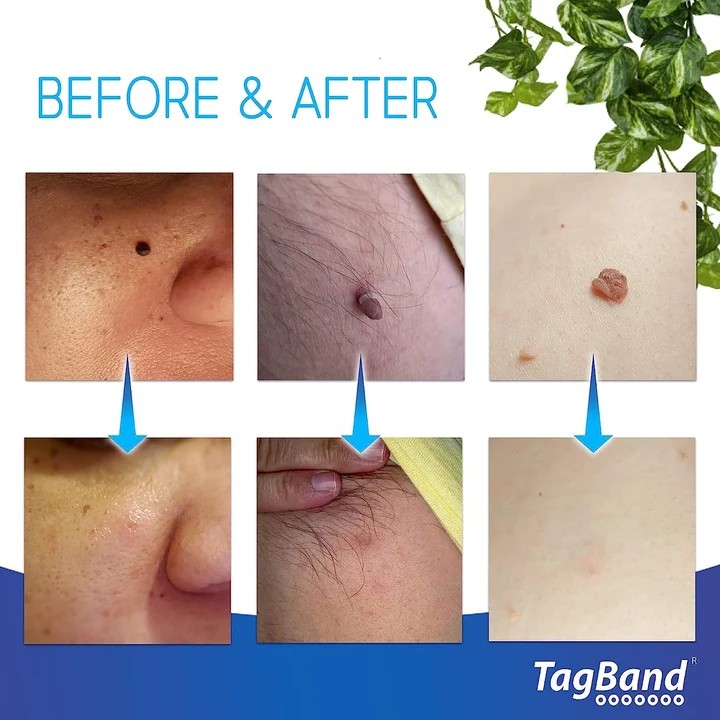
Location can influence irritation risk even when a growth is otherwise suitable. Areas where collars, bra straps or jewellery rub repeatedly may be more uncomfortable during the period after a band is applied. A person should consider whether ordinary clothing can avoid friction while the tag changes. Hygiene also becomes more important in warm, moist skin folds where sweat collects. The area should be observed without excessive handling, and any dressing used should follow appropriate care guidance rather than trapping moisture unnecessarily. Home treatment should never be combined with attempts to cut, burn or chemically destroy the same growth. Mixing methods can increase tissue damage and make later assessment more difficult. A cautious process gives the body time to respond to one method while keeping warning signs easier to recognise. If the situation becomes unclear, the safest next step is professional evaluation rather than further experimentation.
At-home skin tag removal should remain a narrow solution for clearly appropriate cases. TagBand UK provides a purpose-built ligation option, but the device does not replace diagnosis. Careful identification, correct application, hygiene and attention to warning signs are all part of responsible use. When uncertainty exists, professional assessment is the safer route because the most important decision is not how to remove a mark but whether it should be treated at home at all.