
The phrase “home gym” tends to bring a spare room full of equipment to mind. A treadmill in one corner, a weight bench in another, racks of dumbbells along the wall and perhaps a large exercise bike that eventually becomes an expensive clothes hanger.
Thankfully, a useful home gym does not need to look anything like that.
For most people, a small collection of well-chosen equipment is enough to build strength, improve mobility and get a proper workout without sacrificing half the house. Looking through the home training range at Sportlädchen, there are plenty of options designed for exactly this kind of setup, including resistance bands, weights, mats, balance equipment and compact training accessories.
The trick is deciding what actually deserves the space.
Start with the exercises, not the equipment
It is easy to buy fitness equipment because it looks useful and figure out what to do with it later. That approach is usually how cupboards end up filled with barely used workout gear.
A better way to build a home gym is to think about movements first.
You probably want something for pushing, pulling, squatting, core work and mobility. Once those bases are covered, you can add equipment for more specific goals.
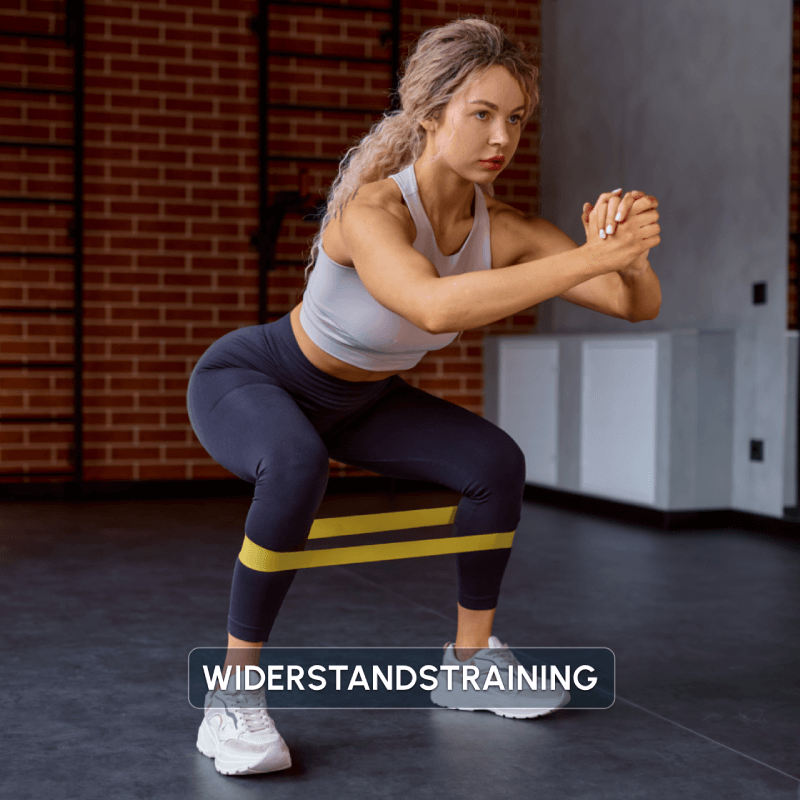
This is where compact equipment makes a lot of sense. Sportlädchen, for example, carries resistance bands in different lengths and resistance levels alongside dumbbells, kettlebells and other strength equipment. Resistance bands are particularly useful when space is limited because a handful of bands can support dozens of exercises and disappear into a drawer when the workout is over.

Give yourself a good training surface
One purchase that is easy to underestimate is a decent exercise mat.
If your routine includes stretching, Pilates, push-ups, planks or floor exercises, training directly on a hard floor gets uncomfortable fairly quickly. A mat also creates a defined workout area. Roll it out and you have your training space. Roll it away and the room goes back to being a bedroom, office or living room.
The range at Sportlädchen includes mats alongside equipment for Pilates, functional training and other home workouts, so you can choose according to the type of exercise you actually do rather than simply buying the thickest mat available.
A few weights can go a long way
You do not need a huge dumbbell rack for effective strength training at home.
A pair of dumbbells or one or two kettlebells can cover squats, lunges, presses, rows, carries and plenty of other exercises. Combine them with bodyweight movements and resistance bands and you already have enough variety to create very different workouts.
Adjustable equipment can be useful where storage is particularly tight, but even traditional free weights take up surprisingly little room if you buy according to your current strength rather than trying to recreate an entire gym.
Sportlädchen lists dumbbells, kettlebells and resistance equipment among its home gym options, along with smaller accessories such as push-up handles and skipping ropes.
Don’t forget mobility and recovery
Home training often becomes completely focused on strength or cardio, while mobility gets ignored until something starts feeling stiff.
A foam roller, balance pad or small mobility tool hardly takes up any storage space, but it can add another dimension to your routine. Balance equipment can be used for stability exercises, while foam rollers are easy to bring out after training.
This is also one reason it is worth browsing beyond conventional weights. The wider Sportlädchen range covers balance tools, balls, bands, weights and mats rather than treating home fitness as strength training alone.
The one-in, one-out rule works surprisingly well
Once your home gym is functional, resist the temptation to keep expanding it.
Before buying another piece of equipment, ask whether it allows you to do something your current setup cannot. If it simply provides another version of an exercise you already have covered, it may not deserve the floor or cupboard space.
A practical starter setup could be as simple as a mat, several resistance bands, a pair of dumbbells or a kettlebell, and one piece of equipment for mobility or balance. Add a skipping rope if you want an easy cardio option.
That is enough equipment to train your entire body without turning your home into a fitness studio.
A good home gym is not the one with the most equipment. It is the one you can set up in a few minutes, actually enjoy using and pack away just as easily. Build around that idea and even a small corner of a bedroom or living room can become a surprisingly capable place to train.