
Deciding between bulking vs cutting stacks often comes down to training phase rather than brand loyalty, and the choice ultimately rests on matching a formulation to the phase a lifter is actually in. Muscle Research Legal Anabolics organizes its range around that exact split, offering distinct formulations for mass-building blocks and for lean-definition phases. Understanding how these categories differ helps lifters match a product line to the goal in front of them, whether that goal is added size or a leaner physique.
Understanding Stack Architecture: How Bulking and Cutting Formulas Differ
A bulking formula and a cutting formula are not interchangeable, even within the same catalogue. Bulking-oriented products tend to emphasize size, muscle mass, and recovery support, while cutting-oriented products lean toward lean mass retention, fat loss, and other supporting effects. The range reflects this split directly in how products are labelled, with some items marketed for weight gain and joint protection and others marketed for fat loss and anti-ageing properties.
That architecture matters because training goals shift across different phases of a program. A lifter adding size needs different support than one trying to hold onto muscle while shedding fat. Looking at bulking vs cutting stacks through this lens makes the product range easier to navigate, since each formulation points toward a specific outcome rather than a generic one.
The Growth Stack® and Its Multi-Purpose Approach to Lean Muscle Mass
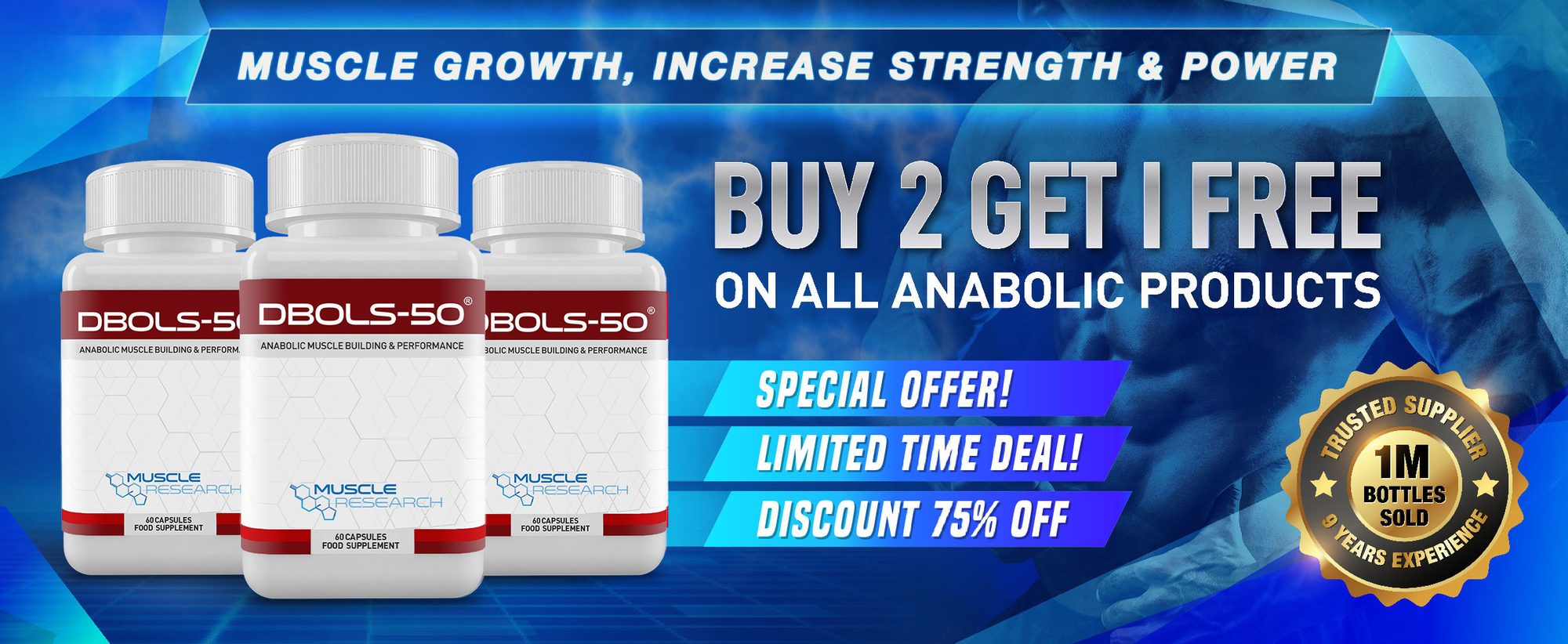
The Growth Stack® sits apart from the strictly bulking or strictly cutting categories because Muscle Research Legal Anabolics positions it as a combination approach. According to its product overview, it brings together the products needed for muscle growth and fat loss in a single stack. That dual focus on lean muscle mass and energy makes it a crossover option rather than a single-phase formula.
Because it addresses both growth and fat loss, the stack is often mentioned when lifters weigh stacks against one another. It does not require a lifter to choose exclusively between the two directions, since its stated purpose spans both at once. That flexibility is part of why it gets grouped separately from the strictly phase-specific items in the catalogue.
Bulking-Focused Products: D-BOL® and DECA 300® for Size and Recovery

D-BOL® is described in its product overview as a mass-gaining agent and the most popular muscle growth enhancement supplement in the catalogue. The overview also notes it was formulated with bulking in mind, which places it firmly on the mass-gain side of the lineup. Muscle Research Legal Anabolics lists size, power, and vascularity as the main areas this product addresses.
DECA 300® is positioned alongside D-BOL® as a bulking product, with its overview citing size and strength stimulating properties. It is also described as helping speed muscle recovery and protecting joints from weight lifting. Together, these two products illustrate how the bulking side of the range leans on mass, strength, and recovery support rather than fat loss.
Cutting-Phase Supplements: Genotrope pGH® and Its Advanced Fat-Loss Properties
Genotrope pGH® is described as a cutting edge and multi-faceted supplement, and the brand calls it the most advanced product sold in its online store. Its listed effects span lean mass, fat loss, and anti-ageing properties, which sets it apart from the purely mass-focused bulking items. That combination makes it a natural reference point when comparing bulking vs cutting stacks side by side.
Unlike DECA 300® or D-BOL®, Genotrope pGH® is not marketed around adding size. Instead, its overview frames it around performance enhancement tied to leaner outcomes. That distinction is part of what separates the cutting side of the catalogue from the bulking side.
TEST 500® as a Versatile Foundation Across Both Training Phases
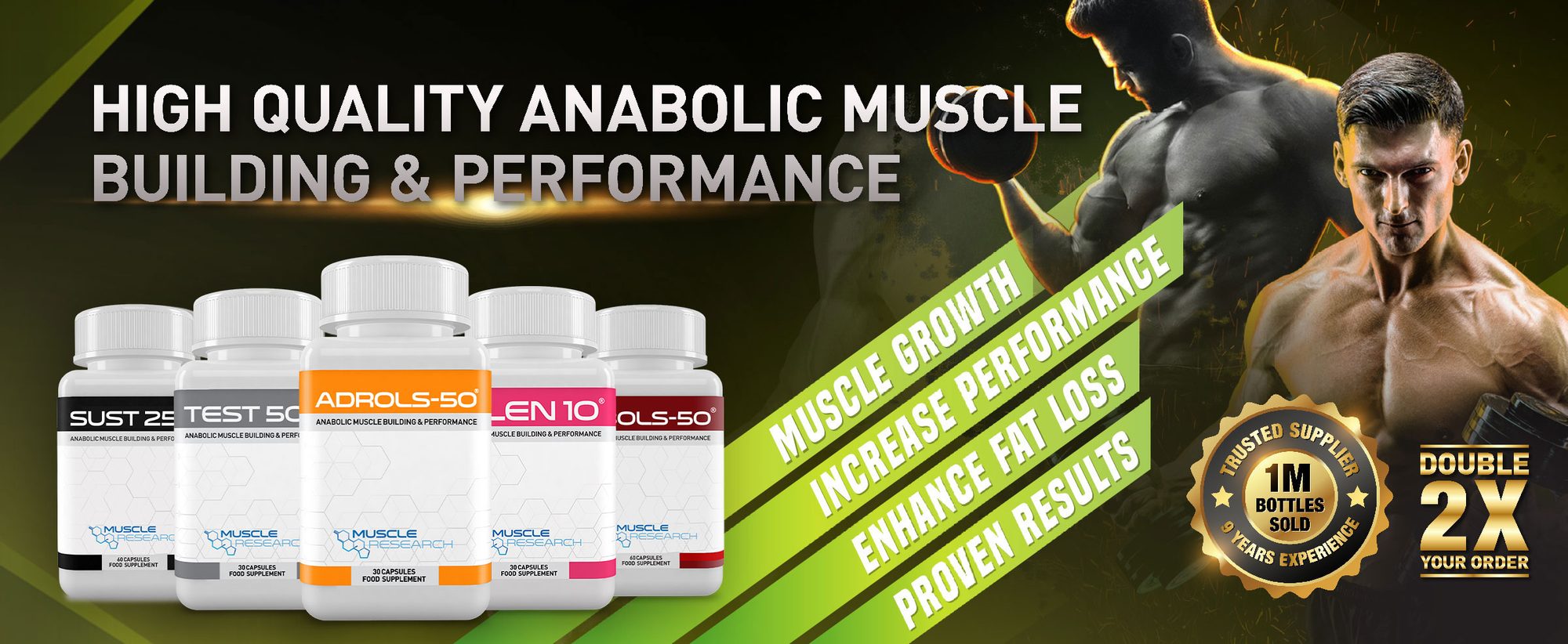
TEST 500® occupies a different spot in the catalogue because Muscle Research Legal Anabolics describes it as the most versatile and potent muscle building supplement in the inventory. It is built around testosterone support, and the brand calls it a staple across its product range. Its testosterone support formulation is described as unmatched, a detail that explains its presence in stacks built for either direction.
Because testosterone support can factor into both size gains and training intensity, TEST 500® often gets paired with more phase-specific products. Its listed focus areas, size, muscle growth, and testosterone support, apply regardless of whether a lifter is adding mass or leaning out. That flexibility is part of why it keeps coming up whenever bulking vs cutting stacks are discussed side by side.
Stacking Strategies: How Experienced Users Combine Products for Specific Outcomes

Combining products from different categories is a common approach once a training phase is set. A bulking phase might pair D-BOL® with DECA 300® for size, strength, and joint support, while a cutting phase might lean on Genotrope pGH® for its fat-loss and lean mass properties, with TEST 500® able to support either combination given its described versatility. ADROLS-50® also appears in the Muscle Research Legal Anabolics catalogue alongside the bulking-focused items, though its full listed properties are not detailed beyond its presence in that lineup.
- The Growth Stack® combines several products in one stack aimed at both muscle growth and fat loss.
- D-BOL® is marketed around muscle mass, size, power, and vascularity for bulking phases.
- DECA 300® is described around bulking, weight gain, and joint protection alongside recovery support.
- Genotrope pGH® lists lean mass, fat loss, and anti-ageing as its core properties for cutting phases.
- TEST 500® is presented as a versatile testosterone support product suited to both size and growth goals.
Each of these products carries its own listed focus, so a stack built for a mass phase looks quite different from one built for a leaner result. That is the practical core of weighing bulking vs cutting stacks against each other before placing an order. Muscle Research Legal Anabolics also notes worldwide tracked delivery and customer support agents available to answer questions about which item suits a given goal.
Matching a formulation to a training phase remains the clearest way to approach this range.