
Hosiery can look simple on a product page, yet comfort depends on several details that are easy to overlook. Waistband design, thigh room, rise, stretch and fabric weight all influence whether tights or stockings stay comfortable through a full day. Glamory specialises in hosiery for plus-size, curvy and tall wearers, with patterns developed around proportions rather than simply scaling a smaller size. That makes accurate measurements a better starting point than automatically ordering the same label used in unrelated clothing brands.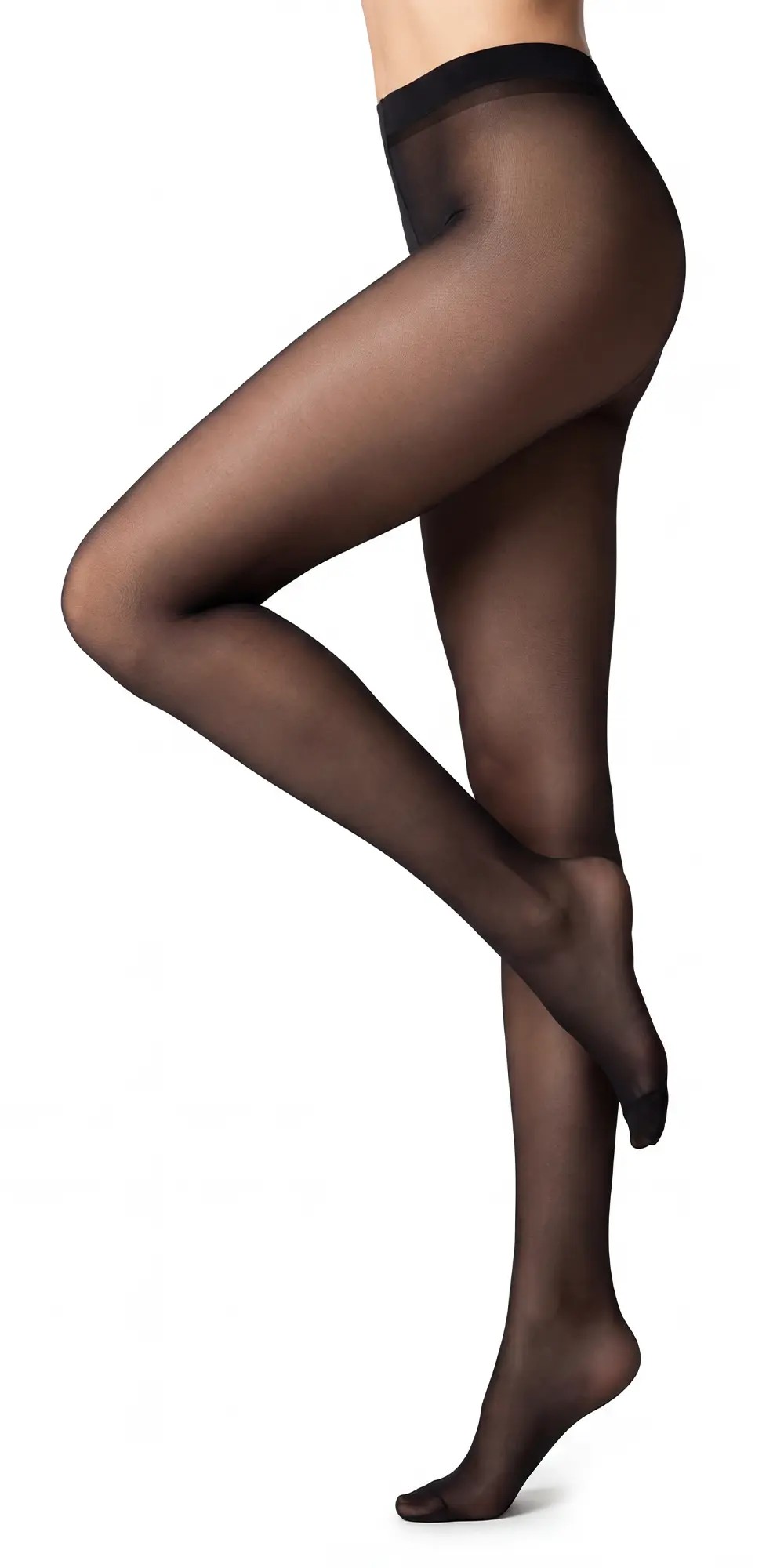
Start With Body Measurements Rather Than Habitual Size Labels
Height and body measurements should be compared with the brand’s size guidance because hosiery relies on stretch across more than one direction. A size that is technically possible may still feel restrictive if it leaves too little room through the thigh or waist. Sizing up can sometimes improve comfort, but excessively loose hosiery may slip or bunch. The best fit should distribute tension evenly without creating a tight band at the waist or requiring constant adjustment during movement.
Construction varies by purpose. Glamory offers tights, stockings and other legwear designed for fuller figures, so buyers can choose between styles that sit at the waist and styles that remain on the thigh. Some wearers prefer the security of full tights, while others value the freedom of stockings. Reinforced areas, wide waistbands and stretch panels can change how a garment feels even when the denier is similar. Product descriptions should be read for construction details rather than viewed only through colour and finish.
Match Construction to the Amount of Support Needed
Denier gives a useful indication of opacity and weight. Lower denier styles create a sheerer appearance but generally need more careful handling. Higher denier options provide more coverage and can feel more substantial. The outfit and setting should guide the choice. A polished work look may call for a different finish from evening wear or cold-weather layering. Matte surfaces often appear understated, while gloss or decorative details draw more attention to the legs.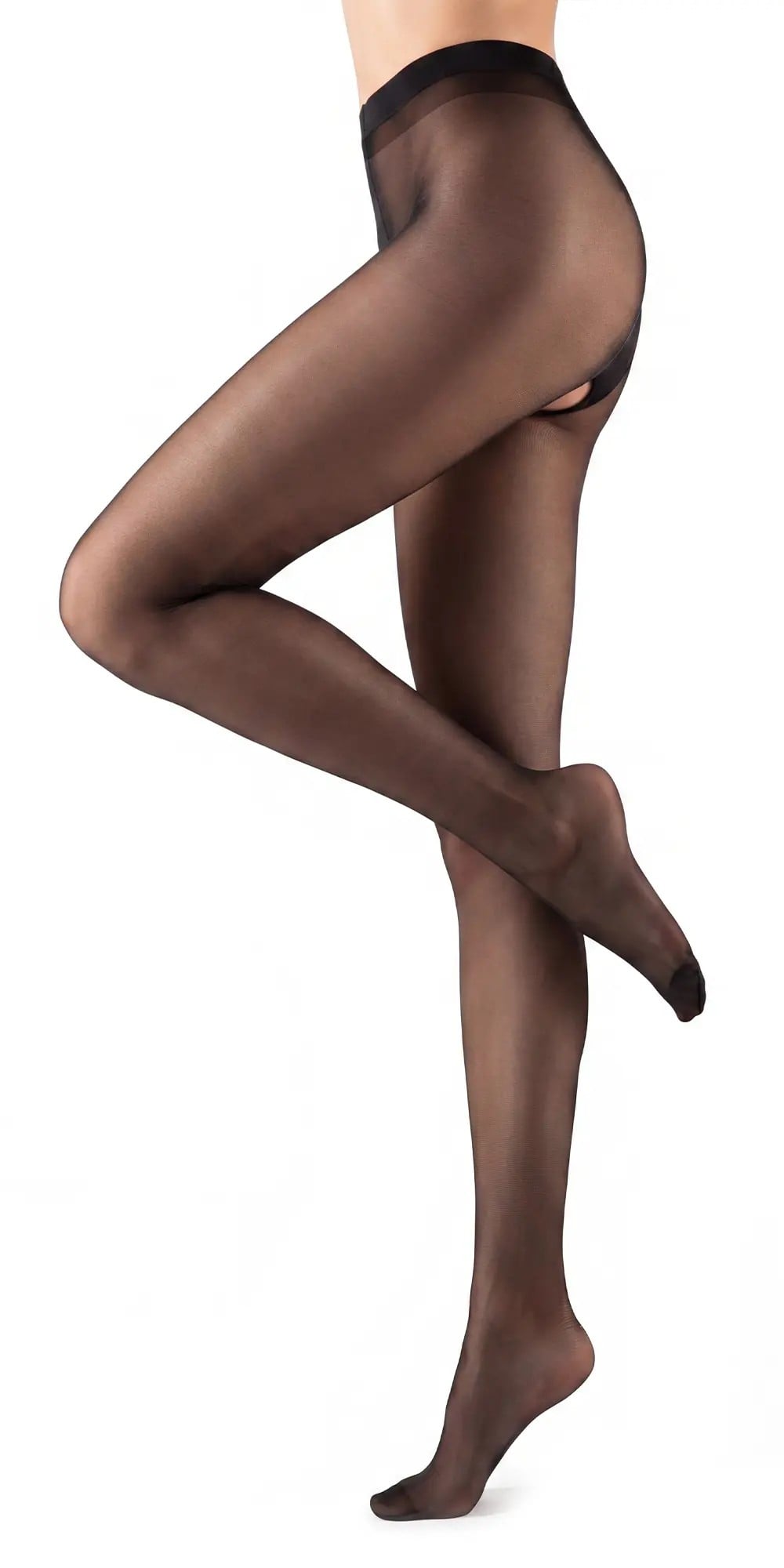
Colour planning becomes easier when hosiery is treated as part of the outfit instead of an afterthought. Glamory carries classic and statement options, allowing wearers to choose between blending the leg line with shoes or creating deliberate contrast. Black remains versatile, but nude shades require careful attention to undertone. Patterned hosiery works best when another part of the outfit is visually quieter, which prevents several strong elements from competing at once.
Choose Denier and Finish Around the Outfit
A practical fit check can be completed as soon as hosiery is tried on at home. These signs are more useful than judging the garment only while standing still.
- The waistband should stay in place without rolling sharply or digging into the body.
- The crotch should reach its intended position without excessive pulling from the ankle or calf.
- Thigh areas should feel secure without creating concentrated pressure or visible distortion.
- The fabric should recover after movement rather than collecting in folds behind the knees or at the ankles.
Use Care and Rotation to Protect Fit
Care has a direct effect on longevity because fine hosiery can be damaged by rough surfaces, jewellery and aggressive washing. Glamory designs legwear for regular use, but even durable hosiery benefits from gentle handling. Rings and sharp nails should be kept away from the fabric during dressing. Hand washing or a protected delicate cycle can reduce friction, while air drying avoids the heat and tumbling that may weaken elastic fibres.
Rotation also helps. Wearing the same pair repeatedly without recovery time can place more stress on the waistband and high-friction areas. Several pairs in the most-used denier and colour can make daily dressing easier while spreading wear. Storage matters too. Hosiery is less likely to snag when folded separately from garments with hooks, zips or rough embellishment.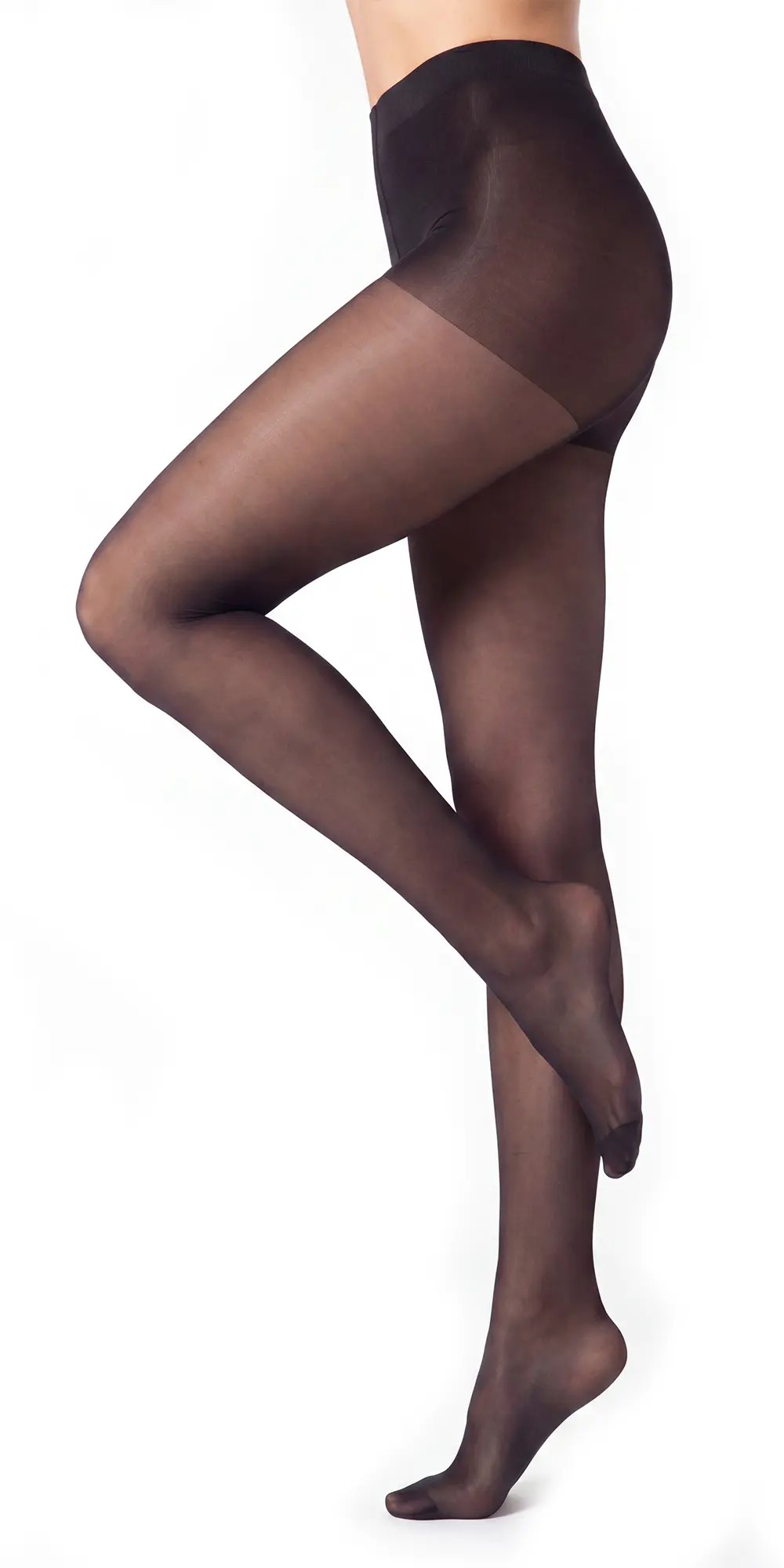
Seams and footwear can change comfort as well. Closed shoes may rub against reinforced toes or thicker seams, while open shoes can make those details visually important. Stockings worn with fitted dresses also need smooth transitions at the thigh so that the top band does not create an unintended line. The wearer can test hosiery with the actual shoes and outfit before an event rather than discovering pressure points during extended wear. Sitting for several minutes is useful because a waistband that feels fine while standing can behave differently when the body bends. Walking, using stairs and bending the knees can reveal whether the fabric migrates or twists. This kind of practical fitting is more informative than a quick mirror check. Hosiery should remain comfortable across normal movement, not merely look correct during the first minute after dressing.
Comfortable hosiery should support an outfit without becoming the wearer’s main concern. Glamory addresses fit across fuller and taller proportions, while the buyer’s role is to match size, construction and denier to the body and the intended use. Accurate measurements, sensible care and attention to how the garment behaves while sitting and walking can lead to a more reliable choice than size labels alone.