
LED lighting explained in plain terms starts with a simple question: how does a small chip turn electricity into usable light without the heat and waste of older bulbs? This overview looks at the underlying technology, traces how home lighting moved away from incandescent and fluorescent sources, and places Simply LED within that picture as a supplier offering a broad range of fittings and bulbs. It also considers how different rooms call for different lighting choices and why efficiency and lifespan have become central to how lighting is bought today.
What Is LED Lighting and How Does It Work
LED stands for light-emitting diode, a small semiconductor component that produces light when electricity passes through it. Unlike a traditional filament bulb, an LED does not rely on heating a wire until it glows. This is the core of LED lighting explained simply: light is generated directly and efficiently, with far less energy lost as heat along the way.
Because the diode itself is compact, LED technology can be built into an enormous range of shapes. That includes small capsule bulbs, slim linear tubes, and larger fittings designed for ceilings or recessed spaces. This flexibility is one reason LED has spread so quickly across both household and commercial lighting.
The Evolution From Incandescent and Fluorescent to LED Technology
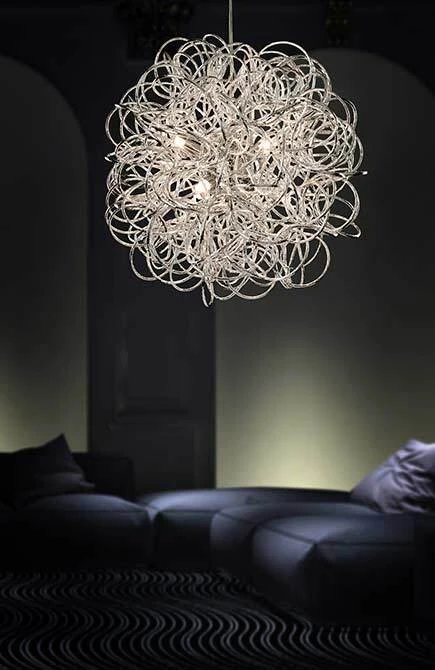
Incandescent bulbs worked by heating a filament until it glowed, a method that wasted a large share of electricity as heat rather than usable light. Fluorescent tubes improved on this somewhat but introduced their own drawbacks, including slower warm-up times and bulbs that were more fragile to handle. Neither technology matched the lifespan or consistency that LED later offered.
LED lighting explained against this backdrop shows a clear shift in priorities, from simply producing light to producing it efficiently and for longer. Fittings that once relied on bayonet or screw-in incandescent bulbs can now take direct LED equivalents, often marked with their older wattage equivalent for easier comparison. That labelling convention, still common on packaging today, helps bridge the gap for anyone replacing an old fitting with a modern one.
LED Light Bulbs in the SimplyLED Range
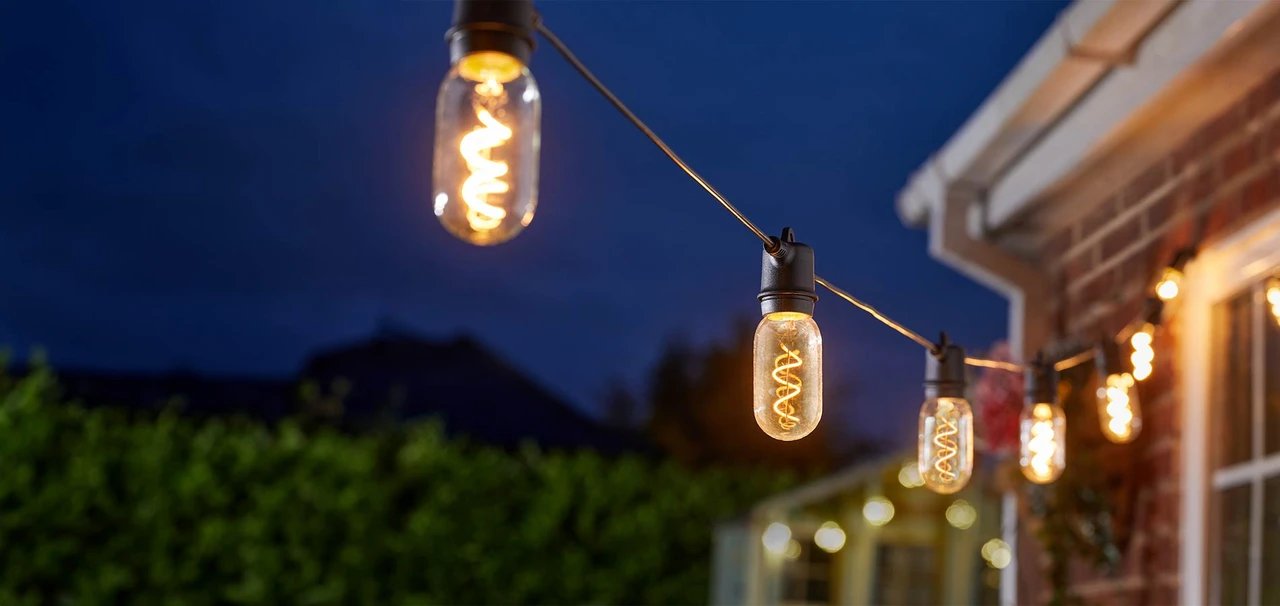
Simply LED lists light bulbs across common fitting types, including E14 small screw, E27 standard screw, B22 bayonet, and G9 capsule formats. Many are sold in multipacks, such as a 9-pack of E14 candle bulbs or a 7-pack of G9 capsule bulbs, alongside smaller packs of three or four. Several options are dimmable, and warm white or cool white finishes appear across the range depending on the bulb.
Rated life varies by product, with some bulbs listed at 10,000 hours and others reaching 25,000 hours, each carrying a manufacturer warranty of two or three years. Linear LED tubes are also part of the lineup, offered as direct replacements for older halogen floodlight tubes in R7s fittings. Simply LED also stocks specialist items such as a Phoebe Galanos Arteson mounting kit sized for 1200 by 600 millimetre ceiling layouts, showing the range extends beyond standard bulbs into fitting accessories.
Room-by-Room LED Lighting Solutions: Living Room, Kitchen, and Bathroom
Indoor lighting choices tend to follow the function of a room. Living rooms often use ceiling fittings such as pendant lights, chandeliers, or flush and semi-flush mounts, paired with floor lamps or table lamps for softer, task-focused light. Simply LED‘s indoor lighting pages note that chandeliers range from traditional crystal designs to modern, minimalist styles, including compact mini chandeliers suited to lower ceilings.
Kitchens and bathrooms generally favour recessed downlights, which sit flush against the ceiling and suit rooms where headroom or surface space is limited. According to Simply LED‘s own downlight guidance, LED downlights are valued for strong energy efficiency and for lasting between 25,000 and 50,000 hours depending on the product. That long operating life is one reason recessed LED fittings have become a common default in kitchens and bathrooms, where lights are often used for extended periods each day.
Why Energy Efficiency and Longevity Matter in Modern Lighting
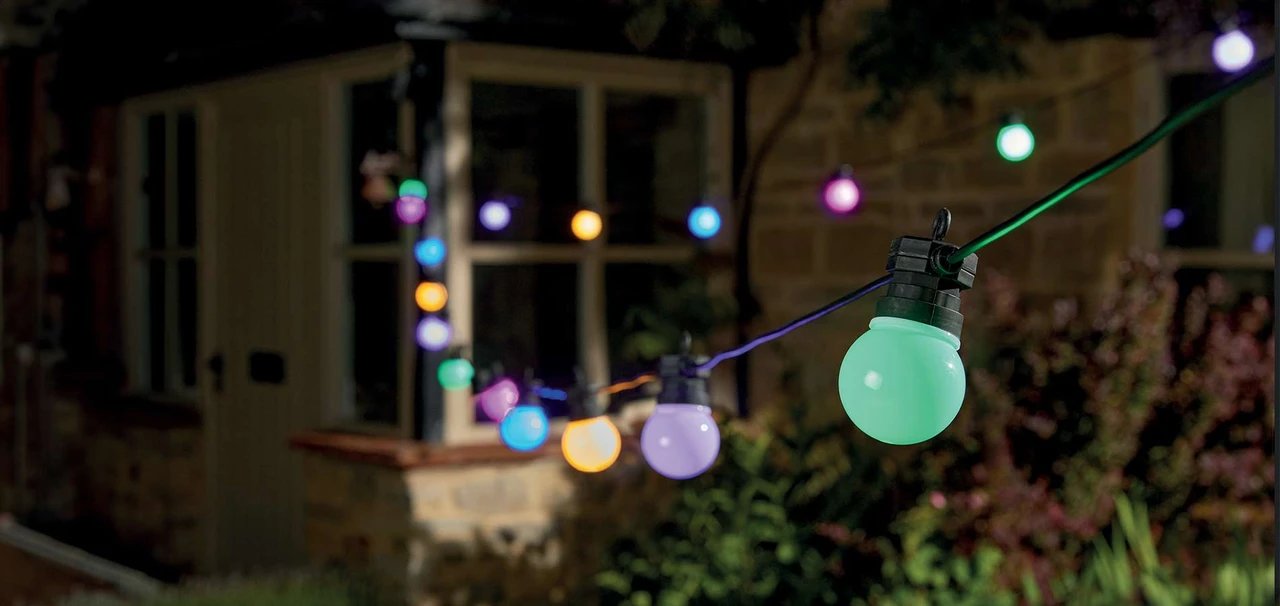
Energy use and lifespan are closely linked once a bulb is installed, since a longer-lasting fitting is also one that needs replacing less often. Simply LED positions LED light bulbs as able to use up to 90% less power compared with older lighting types. That figure reflects why so much of the current lighting market has shifted toward LED as the assumed starting point rather than an upgrade.
- LED bulbs typically consume far less electricity than incandescent or older fluorescent equivalents for a comparable amount of light.
- Rated lifespans for LED bulbs in the Simply LED range stretch from 10,000 hours up to 25,000 hours, with some downlights rated even higher.
- Replacing bulbs less frequently means less packaging and fewer discarded bulbs over time.
- Dimmable LED options allow light output to be adjusted to the task or mood without changing the bulb itself.
- Multipacks, such as the 3-pack, 4-pack, 7-pack, and 9-pack formats Simply LED lists, make it straightforward to replace several fittings in a home at once.
Taken together, these points explain why LED has become the reference point for efficient home and workplace lighting. The combination of lower power draw and longer rated life changes how often a household needs to think about bulb replacement at all. Simply LED‘s catalogue, spanning indoor, outdoor, and commercial fittings alongside bulbs, reflects how wide this shift has become across different settings.
Looking Ahead
LED lighting explained from the chip-level technology through to room-specific fittings shows a technology that has matured well beyond a simple swap-in bulb. As more fittings are designed around LED from the outset, the distinction between old and new lighting standards continues to fade.