
Maintaining independence at home involves more than completing daily tasks without assistance. It also means creating surroundings where familiar activities remain comfortable, manageable and accessible. For older adults, people with disabilities and individuals experiencing changes in mobility or sensory abilities, thoughtfully selected everyday products can make a meaningful difference to household routines.
From accessible clocks and communication devices to dressing aids and practical kitchen accessories, small adjustments can help people continue participating in activities that matter to them. Story and Sons specialises in products designed to support independent living, offering solutions for different physical, sensory and everyday requirements. Choosing suitable equipment begins with understanding personal needs rather than purchasing numerous unfamiliar products.
Understanding Everyday Challenges Around the Home
Daily routines often involve movements and actions that receive little attention until they become difficult. Opening containers, reading a clock, reaching household items or operating electronic devices may require additional effort when dexterity, vision or mobility changes.
These challenges do not necessarily require substantial home renovations. In many situations, selecting an accessible version of a familiar household item can improve convenience while preserving the person’s established routine.
For example, a clock with large, clearly displayed numbers may be easier to read than one with a crowded face. A telephone featuring prominent buttons can simplify communication, while a long-handled dressing aid may reduce the need for uncomfortable bending.
The most appropriate solution depends on the individual’s abilities, preferences and living arrangements. Equipment that works well for one person may be unsuitable for another, particularly when several needs must be considered together.
It is also important to distinguish between occasional inconvenience and a difficulty that could affect safety. Repeated falls, sudden changes in mobility or significant problems with everyday tasks may require assessment by a healthcare professional or occupational therapist.
Products available through Story and Sons cover categories including daily living aids, accessible timepieces, mobility products and communication-related equipment. This range allows different household requirements to be considered within the same shopping process.
Accessible Clocks and Communication Products
Timekeeping plays an important role in maintaining daily structure. Knowing the day, date and time can help people organise appointments, meals and regular activities without repeatedly requesting assistance.
Traditional clocks are not always suitable for people experiencing visual difficulties or memory-related challenges. Larger displays, clear contrast and simplified information can make timepieces easier to interpret.
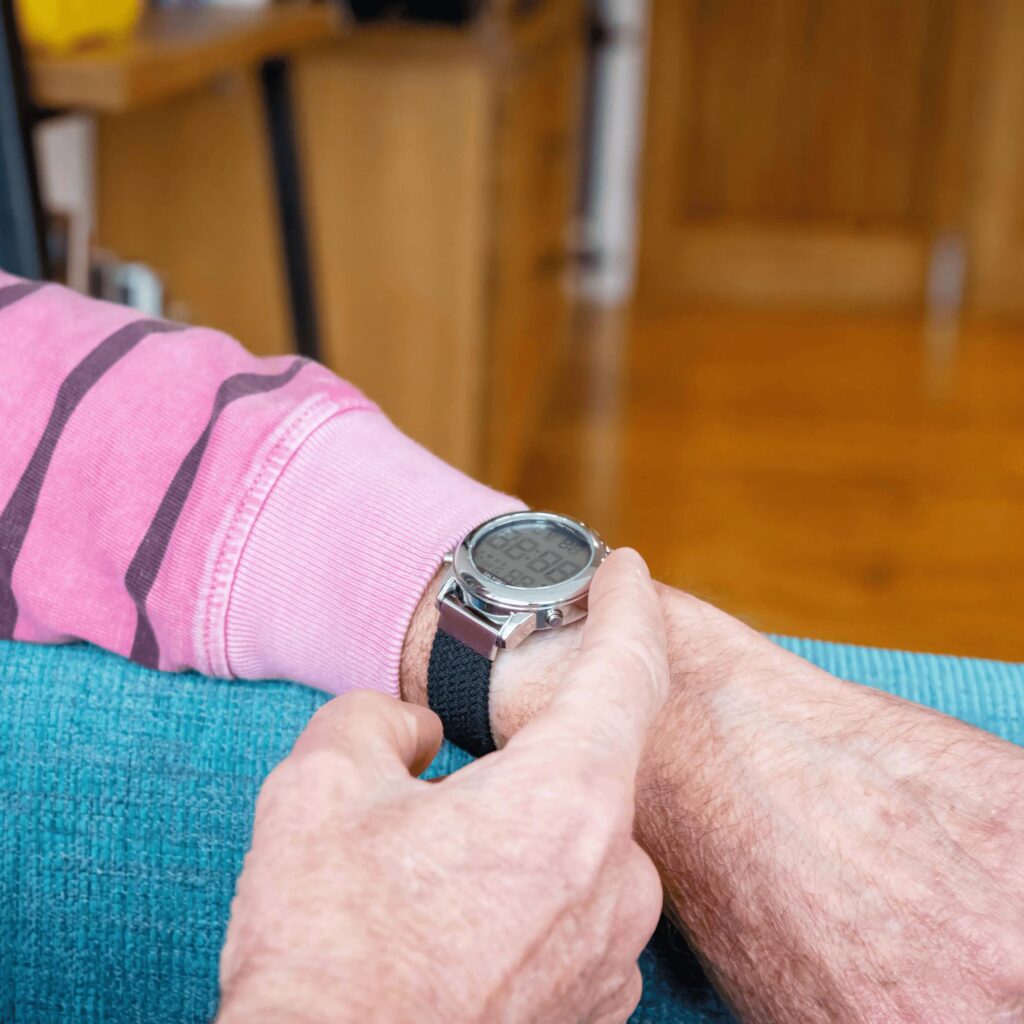
Some specialist clocks present the day and date prominently, while talking clocks and watches provide audible information. These features may be useful when reading a conventional clock becomes difficult.
Communication products present similar considerations. A telephone with small buttons, complicated menus or quiet audio may create unnecessary barriers for people with reduced vision, hearing or hand coordination.
Accessible communication equipment can incorporate larger controls, adjustable volume or simplified operation. However, individual compatibility remains essential. A device should be selected according to the user’s specific hearing or visual requirements rather than assumptions based on age.
The product selection offered by Story and Sons includes specialist clocks, watches and daily-use products intended for different accessibility needs.
Before selecting a device, households should consider where it will be used, whether the controls are intuitive and how easily the individual can operate it independently.
Dressing and Kitchen Aids for Familiar Activities
Getting dressed and preparing food are important components of personal independence. When hand strength, joint movement or balance becomes limited, these activities may take longer or become uncomfortable.
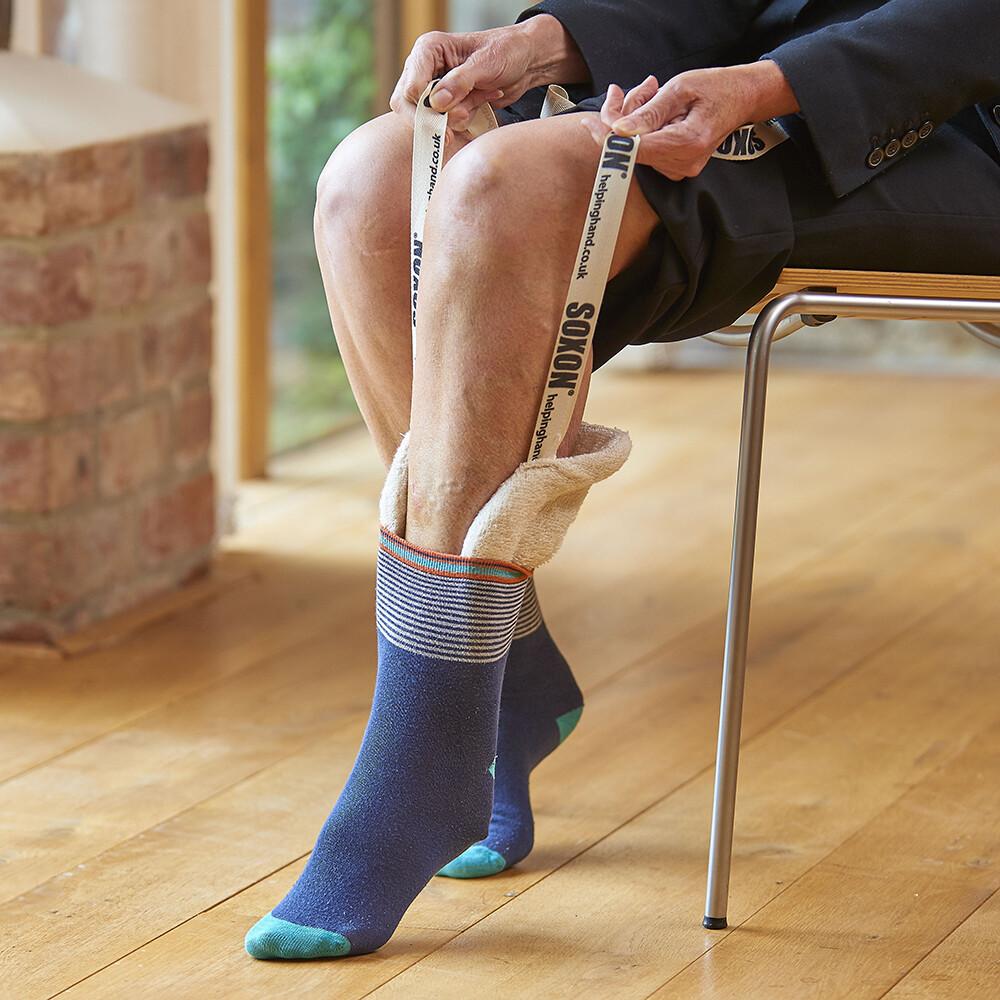
Dressing aids can help reduce the physical effort involved in managing certain clothing items. Long-handled shoehorns, buttoning accessories and specialised gripping products may be useful for people who struggle with bending or fine hand movements.
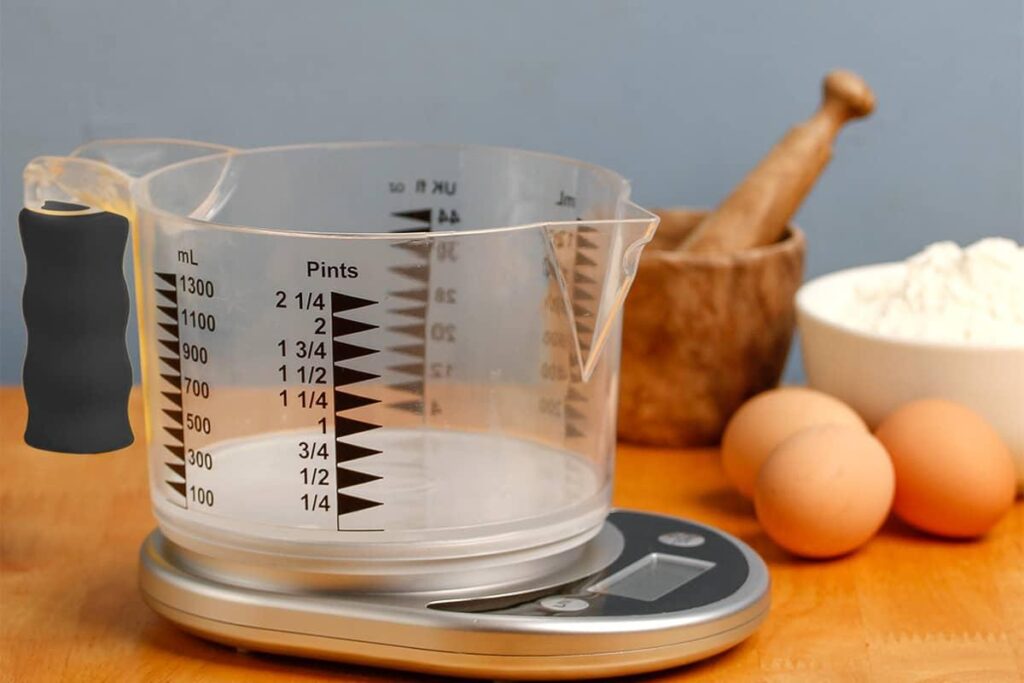
Kitchen activities can also benefit from accessible equipment. Ergonomic handles, stable preparation surfaces and clear measuring tools can make familiar tasks easier to organise.
When comparing household aids, several practical characteristics deserve attention.
- Ease of operation helps determine whether a product can be used without complicated instructions.
- Grip and handle design influence comfort for individuals with reduced hand strength or dexterity.
- Product dimensions should be compatible with available storage space and household furniture.
- Cleaning requirements affect whether an item is practical for frequent everyday use.
- Weight and stability influence how safely an accessory can be positioned and handled.
- Personal preferences help ensure that useful equipment fits naturally into established routines.
A suitable aid should simplify the original activity rather than introduce additional difficulties.
Careful product selection is particularly important for items used near hot surfaces, sharp utensils or slippery areas. Where safety or movement limitations are significant, professional guidance may be appropriate.
Mobility Support and Thoughtful Household Organisation
Independent living is also influenced by the layout of the home. Narrow walkways, poorly positioned furniture and frequently used items stored out of reach can create unnecessary obstacles.
Simple organisational improvements may make certain activities more convenient. Keeping essential belongings accessible, providing adequate lighting and maintaining clear walking routes can support easier movement around the home.
Mobility equipment requires additional attention because the correct choice depends on physical ability, balance and the environment in which it will be used.
Walking aids, for example, differ in their structure, intended purpose and suitability for indoor or outdoor use. A product that provides useful support in one environment may not be appropriate in another.
Retailers such as Story and Sons provide access to mobility-related products alongside other independent-living essentials. Nevertheless, individuals who require walking support should seek appropriate assessment and guidance when choosing or adjusting mobility equipment.
Home organisation should also account for the preferences of the person using the space. Familiarity is valuable, particularly when significant environmental changes could lead to confusion.
Rather than replacing numerous household items simultaneously, gradual adjustments allow people to become comfortable with new equipment while retaining control over their surroundings.
Choosing Supportive Products with Confidence
Finding practical products for independent living requires an understanding of the user’s everyday experience. Features such as accessibility, maintenance requirements and straightforward operation often deserve greater attention than appearance alone.
Family members and carers can contribute useful observations, but product decisions should involve the individual whenever possible. Personal comfort and familiarity influence whether an item becomes part of a regular routine.
It is also worth reviewing product measurements, operating instructions and compatibility requirements before purchasing. Devices that require batteries, charging or specialist installation may introduce additional maintenance considerations.
For people purchasing accessible products for relatives, clear communication about existing difficulties can help avoid unsuitable choices. A thoughtful selection process is generally more effective than assuming that every accessibility feature will be useful.
The categories available from Story and Sons illustrate how different everyday requirements can be addressed through specialised products, from timekeeping and communication to household activities and mobility.
Independent living does not require every task to be completed without support. Its broader purpose is to preserve choice, comfort and participation in ordinary activities. Carefully selected household aids can contribute to that objective by making familiar routines more accessible and manageable over time.