
A coordinated kitchen and dining area works best when it is planned around daily habits rather than a showroom look. A household may cook several times a day, entertain only occasionally or rely on a compact table that has to serve several purposes. Those differences should shape every purchase. Rinkit offers kitchenware, glassware, tableware, storage pieces and home accessories that can be considered as parts of one wider setup rather than isolated objects. The useful approach is to decide what the room needs to do first, then select pieces that support those functions without filling every surface.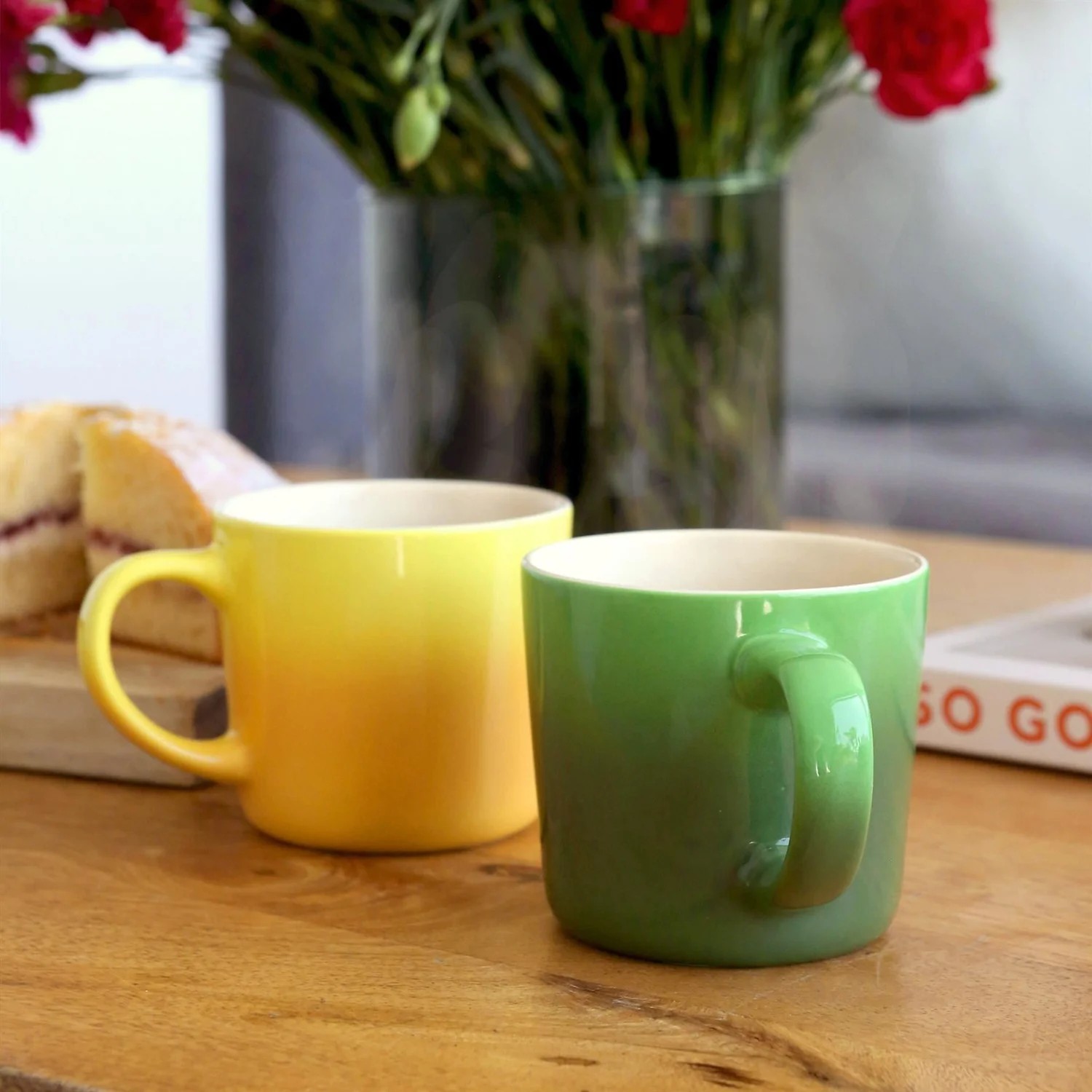
Start With the Way the Space Is Actually Used
The first stage is an honest review of routines. A family that prepares quick weekday meals needs durable plates, practical glasses and accessible storage more than an elaborate collection of serving pieces. A household that often hosts guests may place greater value on coordinated drinkware, platters and extra seating. The amount of cupboard space also matters. Large sets can appear economical but become inconvenient when half of the items spend most of their time stacked behind everyday essentials. Buying around actual use usually creates a calmer room and reduces unnecessary duplication.
Measurements should guide decisions before style takes over. Shelf height, drawer depth, table width and clearance around chairs all influence whether an item works comfortably. A serving tray that looks compact online can still be awkward in a narrow cupboard, while tall glassware may not fit existing shelves. The range at Rinkit covers many everyday categories, which makes it easier to compare sizes and functions across a single household plan. Recording key dimensions before ordering helps keep the room practical after new pieces arrive.
Create Consistency Without Matching Everything
Visual consistency does not require every item to come from one collection. Rooms often look more natural when a few elements repeat while others vary. A household might keep dinnerware simple, repeat one metal finish in handles and accessories then add texture through glasses, linens or wood. Two or three repeated details are usually enough to make a mixed selection look intentional. This also gives existing pieces a place in the scheme instead of forcing a complete replacement simply to achieve a matched appearance.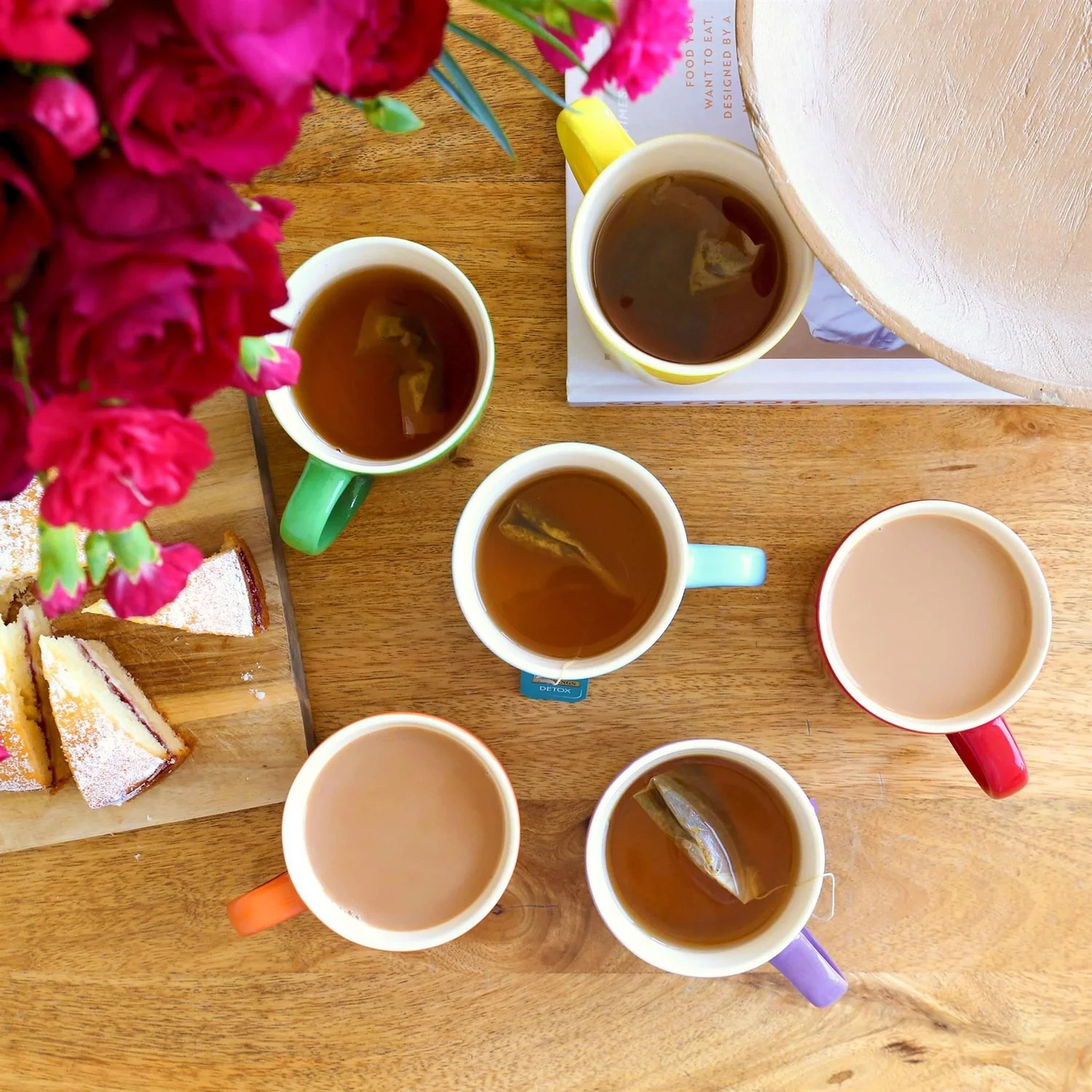
Colour can be handled in the same way. Neutral foundations make frequent-use pieces easier to combine, while smaller accessories can carry stronger colours or seasonal changes. Rinkit includes products across dining, glassware and home categories, so shoppers can build a palette through several types of item rather than depending on one dominant set. The most balanced result usually comes from repeating a small number of tones and materials while leaving some contrast between surfaces.
Choose the Useful Pieces Before the Decorative Ones
A useful shopping order keeps functional gaps at the front of the decision. Decorative pieces can then be added only where they have a clear role. The following priorities help prevent a room from becoming crowded with objects that compete for space.
- Everyday plates, bowls and glasses should be chosen before occasional entertaining pieces.
- Storage capacity should be checked before larger sets or bulky accessories are ordered.
- Frequently handled items benefit from durable finishes that suit normal cleaning routines.
- Decorative pieces should have a defined location rather than being added to already busy surfaces.
Leave Enough Flexibility for Everyday Life
Once the basic setup works, decorative choices become easier because they are filling a known gap. A candle holder may belong on a sideboard, a photo frame may complete an empty shelf or a small mirror may improve a darker corner. Rinkit can support this gradual approach because its broader home range extends beyond the table. The important point is that decoration should sit on top of a functioning layout rather than becoming a substitute for storage, lighting or clear movement through the room.
Flexibility also matters because kitchens and dining spaces change throughout the week. Stackable glasses, serving pieces that can handle more than one type of food and storage accessories that can move between rooms make the setup easier to adapt. Items that are difficult to store or useful for only one narrow occasion deserve more scrutiny. A small home in particular benefits when each addition earns its place through frequent use or a clear visual contribution.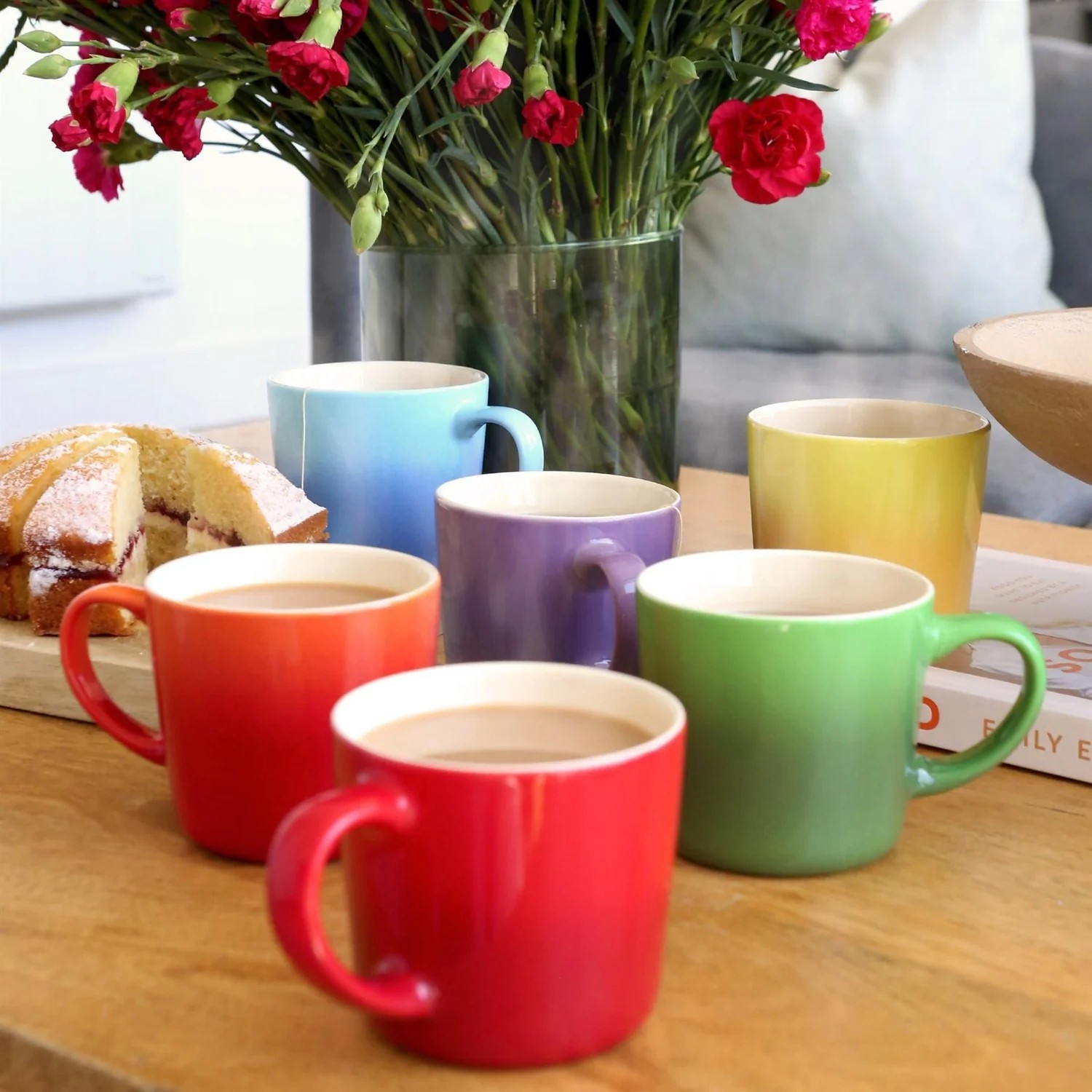
Another useful step is to separate permanent essentials from occasion-specific pieces. Everyday crockery and glasses need the easiest storage positions because they move in and out of cupboards constantly. Larger serving bowls, extra place settings and specialised drinkware can sit higher or farther away if they are used less often. This simple hierarchy improves both organisation and buying decisions. It also makes replacements easier because the household knows which items carry the greatest workload. When new pieces are considered, their footprint should be compared with the storage already assigned to the same category. A visually attractive item that forces frequently used equipment into an inconvenient place may create more disruption than value. Coordinated rooms feel calmer when storage supports the same priorities as the visible design, leaving counters open and keeping the most common tasks straightforward.
A finished room does not need to look complete in one shopping session. It is often better to build it in stages, notice what is still missing and adjust as routines become clearer. Rinkit fits naturally into that process because the range spans everyday household categories that can be added gradually. The strongest result is a kitchen and dining area that feels related from one zone to another while remaining easy to clean, easy to store and comfortable to use.