
Home renovators often assume all clear sheet materials behave the same way. That assumption is behind many of the acrylic sheet mistakes that surface only after installation. Choosing between acrylic, polycarbonate, and MDF involves more than picking whichever option looks clearest or cheapest on a shelf. Understanding where these materials differ in strength, clarity, and fit for purpose can prevent wasted sheets and awkward do-overs.
Mistaking All Clear Acrylic Sheets for the Same Quality
Many buyers treat clear acrylic as a single, interchangeable product, and that habit sits at the root of several acrylic sheet mistakes. Cut Plastic Sheeting lists clear Perspex acrylic sheet as its best-selling line, and the same product is also sold under the names Perspex and Plexiglass. Because it comes in a range of thicknesses selectable on the product page, two sheets both labelled acrylic can behave quite differently depending on which option was chosen.
Shoppers who assume every branded name points to a separate material can end up overpaying or underspecifying for a splashback or glazing panel. Checking the exact product page before ordering, rather than relying on the general term acrylic, removes much of that confusion early in a project.
Misunderstanding the Strength Claims: Cast vs. Extruded Acrylic
Acrylic sheet is generally produced by one of two methods, cast or extruded, and the two are not identical in how they machine, polish, or hold up under stress. Treating a strength figure quoted for one process as a universal acrylic standard is one of the subtler acrylic sheet mistakes, since impact resistance and clarity depend on the exact sheet selected rather than the material category as a whole.
Cut Plastic Sheeting quotes its clear acrylic sheet as up to 17 times stronger than glass, while its separate clear polycarbonate sheet is described as over 200 times stronger than glass and positioned as the toughest clear sheet in the range. Those two figures belong to two distinct products, so a rating quoted for polycarbonate should never be read across onto an acrylic order, or the reverse.
Why Thickness Alone Does Not Determine Durability
Thickness is often used as a shorthand for durability, but that overlooks how sheet materials are actually specified. Cut Plastic Sheeting offers its clear acrylic sheet in a range of thicknesses cut to size for the project at hand, which means thickness functions as a sizing choice as much as a strength indicator. Picking a thicker sheet without matching it to the intended application, such as a splashback versus a glazing panel, can still leave a mismatch between material and purpose.
Splashbacks installed behind countertops, sinks, or baths carry their own sizing considerations separate from thickness. According to the brand’s own guidance, acrylic and aluminium splashbacks typically have a maximum sheet size length of 3000mm, and when a space is larger than that, panels are split and joined on site to form a seamless run rather than relying on a single thicker sheet, with the choice between acrylic and aluminium often narrowed by whether the installation sits behind a gas hob.
Incorrect Assumptions About Polycarbonate vs. Acrylic for Impact Resistance

A frequent point of confusion is assuming acrylic and polycarbonate offer identical impact resistance simply because both replace glass. Mixing up which rating belongs to which material is another of the recurring mistakes with acrylic sheets seen in home projects involving glazing or protective barriers.
A separate guide on the brand’s site notes that polycarbonate, PVC, and acrylic roofing options are lighter and easier to install than glass or metal, and resist impact, UV damage, and corrosion. That guidance covers roofing applications such as skylights, pergolas, and greenhouses, and should not be assumed to transfer directly to every wall or window project without checking the specific material involved.
MDF Wall Panelling Installation Errors and Material Misconceptions
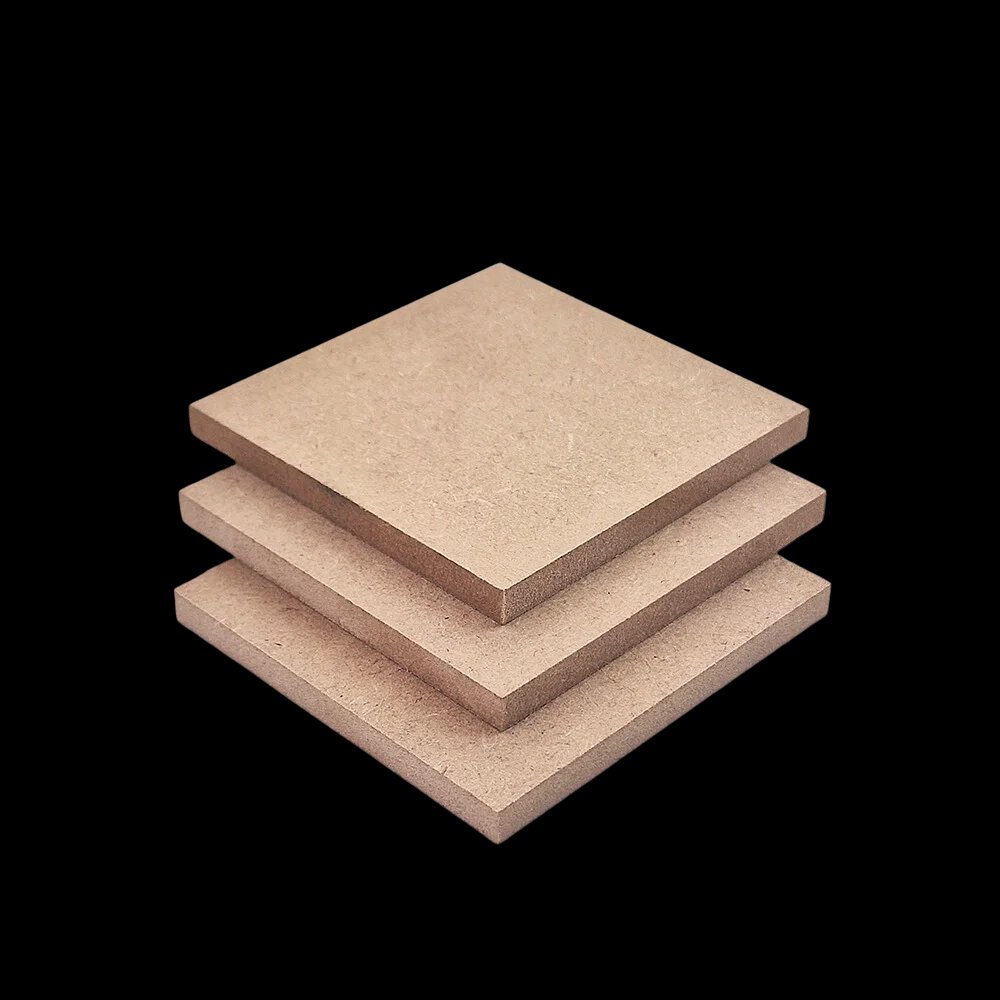
MDF wall panelling is often treated as a simple like-for-like swap for timber, which overlooks how it is actually supplied and cut. Cut Plastic Sheeting offers MDF wall panelling as cut-to-size MDF strips intended to upgrade interior walls, alongside other sheet material lines such as plywood and aluminium composite. Ordering standard strip sizes without confirming the layout of a wall first is a common planning error that leads to awkward joins or wasted offcuts.
Cut Plastic Sheeting describes itself as an acrylic supplier and distributor handling high-volume, bulk, and frequent deliveries, which is a different footing than a small timber merchant stocking a handful of panel sizes. That scale matters for a decorative wall project, since MDF sits alongside acrylic, polycarbonate, and aluminium composite in the same cut-to-size service, and picking the wrong one of those for a feature wall is a separate mistake from simply misjudging strip length.
When Standard Sizes Fall Short: The Value of Cut-to-Size Materials
Relying on standard sheet sizes can leave gaps in a project when a wall, window recess, or countertop run does not match off-the-shelf dimensions. Cut Plastic Sheeting positions itself as a cut-to-size supplier across its acrylic, MDF, polycarbonate, and aluminium composite ranges, using cutting equipment and a team of fabricators to handle orders cut to the dimensions a project actually needs. The same cut-to-size approach extends to the brand’s DIY secondary glazing kit, described as a way to address heat loss and draughts in a property.
For mirror acrylic sheets, including coloured and two-way finishes, custom sizing also matters because these are used in varied settings from retail displays to decorative interiors. A panel cut to the wrong dimension for a two-way mirror installation cannot simply be trimmed down later without affecting how the finish reads from either side.
- A common myth holds that any clear plastic sheet suits a kitchen splashback regardless of heat exposure near a gas hob.
- Another misconception is that bathroom splashbacks need the same material specification as kitchen ones, when moisture resistance and heat resistance are not identical concerns.
- Many assume secondary glazing only reduces noise, overlooking that a secondary glazing kit is generally marketed around preventing heat loss and eliminating draughts.
- Some buyers believe decorative wall panelling and structural glazing panels can be cut from the same stock sheet without adjusting for application.
- It is often wrongly assumed that mirror acrylic sheets behave identically to standard clear acrylic sheets in terms of finish and use.
Fewer sheet-buying headaches tend to follow from matching material properties to the task at hand rather than assuming one clear sheet can stand in for another.