A personalised pet portrait depends heavily on the source photograph. Artistic styling can change background, costume and presentation, but it cannot fully recover detail that was never captured by the camera. Purr and Mutt creates custom pet portraits from uploaded photos across styles ranging from contemporary designs to playful vintage themes. The best results usually begin with a sharp image that shows the animal’s face clearly and captures an expression that the owner recognises immediately.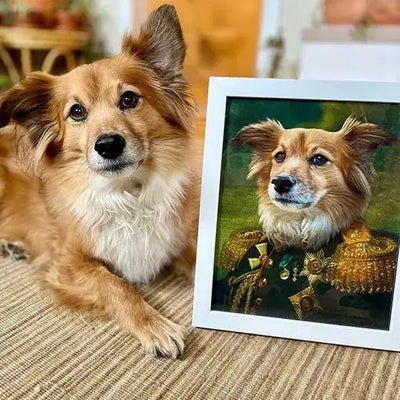
Prioritise a Clear View of the Face and Expression
Eye detail is especially important because it gives the portrait much of its character. A photograph taken at the pet’s eye level often works better than one shot from high above. The animal should fill a useful part of the frame without ears, whiskers or distinctive markings being accidentally cropped. Photos taken from too far away may look acceptable on a phone screen but lose detail when enlarged for artwork.
Lighting should be soft enough to preserve texture in fur, feathers or scales. Purr and Mutt can create portraits for dogs, cats and many other animals, so natural colour is useful regardless of species. Daylight near a window or outdoors in open shade often produces more even results than a direct flash. Strong backlighting can turn the face into shadow, while warm artificial light may change coat colour in ways the owner does not expect.
Use Lighting That Shows Natural Colour and Detail
Background clutter is less important when the portrait service removes or replaces it, but the pet still needs clear separation from surrounding objects. Dark fur against a dark sofa can hide the outline of the ears and body. Similar problems occur with white fur against overexposed windows. A little contrast helps the artist identify edges and markings. If several photos are available, the image with the clearest anatomy is often more useful than the funniest moment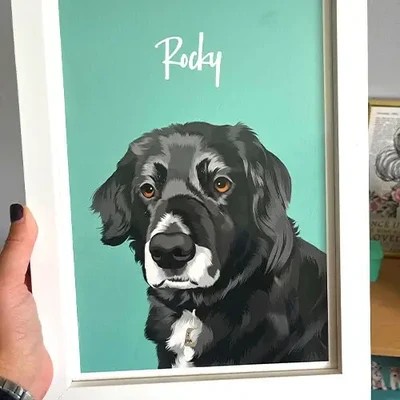
Style selection should follow the photograph as well as the owner’s taste. Purr and Mutt offers regal, minimalist and humorous designs, among others. A straight-on headshot may suit a formal costume design, while a softer side angle may work beautifully in a modern portrait. The pet’s natural expression should also fit the concept. A serious-looking dog can make a regal composition convincing, while an alert cat may suit a playful character theme.
Choose a Composition That Fits the Portrait Style
Before uploading, the owner can run through a short image check. This helps separate a meaningful photograph from one that is technically suitable for printing.
- The eyes, nose and important markings should remain sharp when the photo is viewed at full size.
- The pet should be well lit without strong flash glare or deep shadow across the face.
- Ears, whiskers and other distinctive features should not be cropped unless the chosen design requires it.
- Screenshots and heavily compressed social-media copies should be avoided when an original image file is available.
Review the Image at Full Size Before Uploading
Multiple-pet portraits require extra care because all subjects need enough detail. Purr and Mutt accepts designs with more than one pet, but a single group photograph is not always the only option. If the service allows separate images, individual clear photos may give better source material than one distant group shot. Relative size and the desired arrangement should be considered so that the final composition still feels natural.
The owner should also think about where the finished portrait will be displayed. A large canvas benefits from a source image with more resolution than a small print or mug. Wall colour can influence the choice of background style, while frame dimensions affect whether a vertical or horizontal composition is more practical. A portrait meant as a gift may need a more universally appealing design than one created for a very specific room.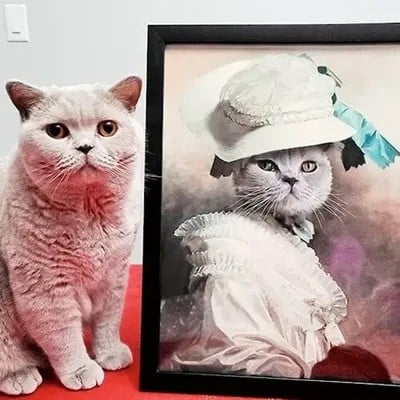
Emotion can matter as much as technical perfection when several suitable photos remain. Owners often recognise a particular head tilt, ear position or expression as part of the pet’s personality. A technically sharper photograph with a neutral expression may feel less representative than another clear image that captures that familiar look. The best choice balances both qualities. For memorial portraits, image selection may be especially sensitive because the available photographs cannot be retaken. In those cases, the clearest meaningful image may be preferable even if it needs some artistic adjustment. Owners can also consider whether collars, tags or clothing should remain visible in the final artwork. Those details may be part of the memory or may distract from the face. Deciding that preference before ordering gives the portrait process a clearer direction.
The photograph is the foundation of the final artwork. Purr and Mutt can transform it into a stylised portrait, yet sharp focus, good light and a recognisable expression still determine how much character carries through. Choosing the image slowly, viewing it at full size and matching its angle to the desired design gives the artist better material to work with and gives the owner a portrait that feels more like the actual pet.