
Motorized blinds are most useful when they respond to a real pattern of light, privacy or access. A high window may be difficult to reach, a bedroom may need dependable blackout or a living room may receive strong afternoon sun. SmartWings makes custom motorized shades and blinds that can be controlled by remote, app or compatible smart-home platforms. Planning works best when each window is treated as a separate problem first, then grouped into larger routines after fabric, mounting and control needs are clear.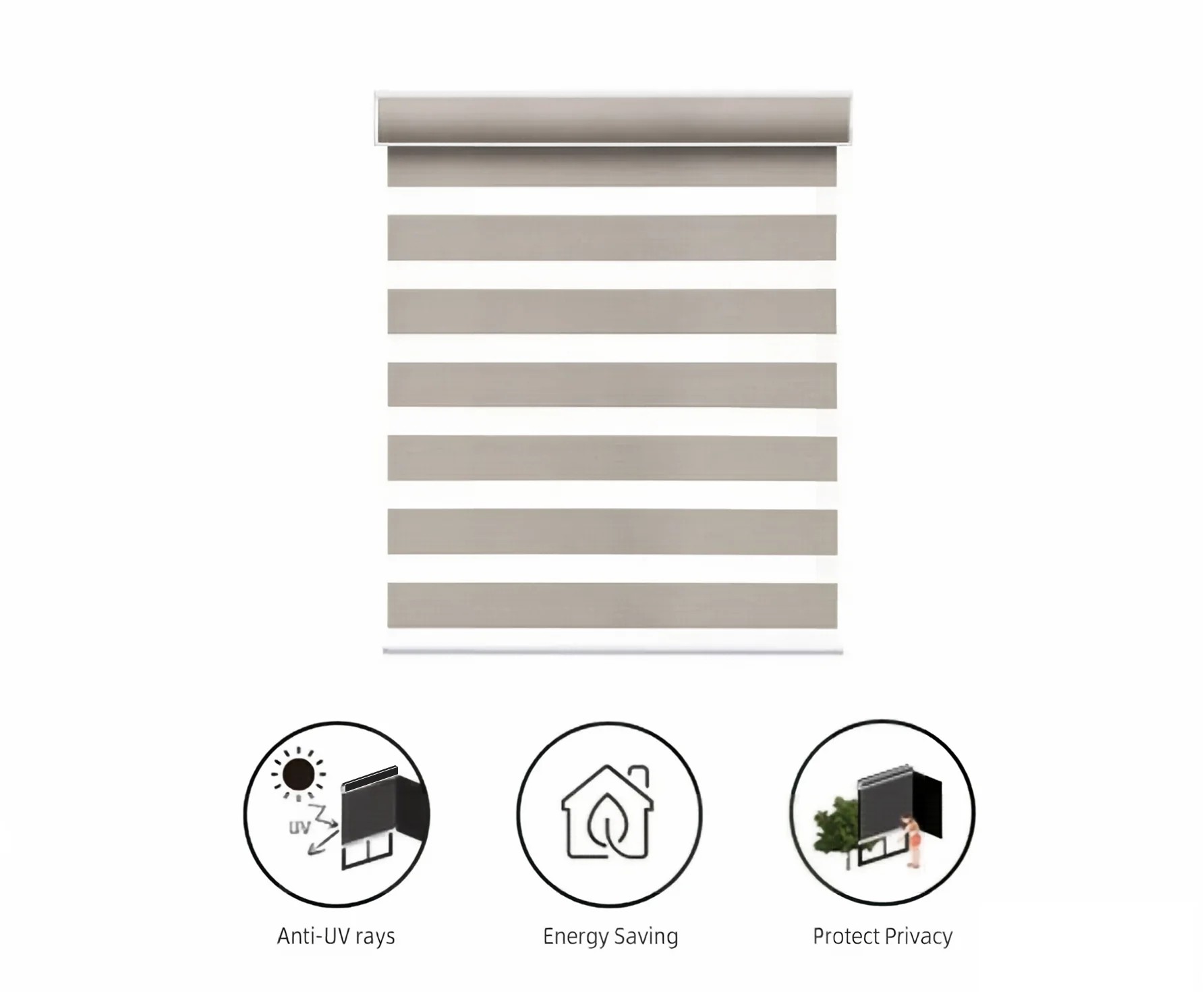
Define What Each Window Needs to Control
Light control is more specific than simply choosing light or dark fabric. A room used for television may need glare reduction, while a bedroom may prioritise blackout. A kitchen or office may need daylight without full exposure from outside. Fabric openness, colour and lining all affect the result. Privacy also changes between daytime and night, when interior lighting can make rooms more visible from outside. Sample materials can help show how a fabric behaves in the actual window orientation.
Measurement should happen after the mounting method has been chosen. SmartWings produces custom window treatments, so inside-mount and outside-mount decisions affect the required dimensions. Inside mounting can create a clean built-in look but needs sufficient recess depth and square openings. Outside mounting can cover more of the window and may reduce light gaps, though it changes the visual footprint on the wall. Measuring several points across width and height helps identify windows that are not perfectly square.
Measure With the Mounting Method Already Decided
Power is another design decision. Battery-powered motors can simplify installation because they do not require new mains wiring, but charging access needs consideration. Hardwired options may suit new construction or major renovations where electrical work is already planned. The position of charging ports, solar accessories or cables should be considered before the blind is installed behind furniture or at a difficult height.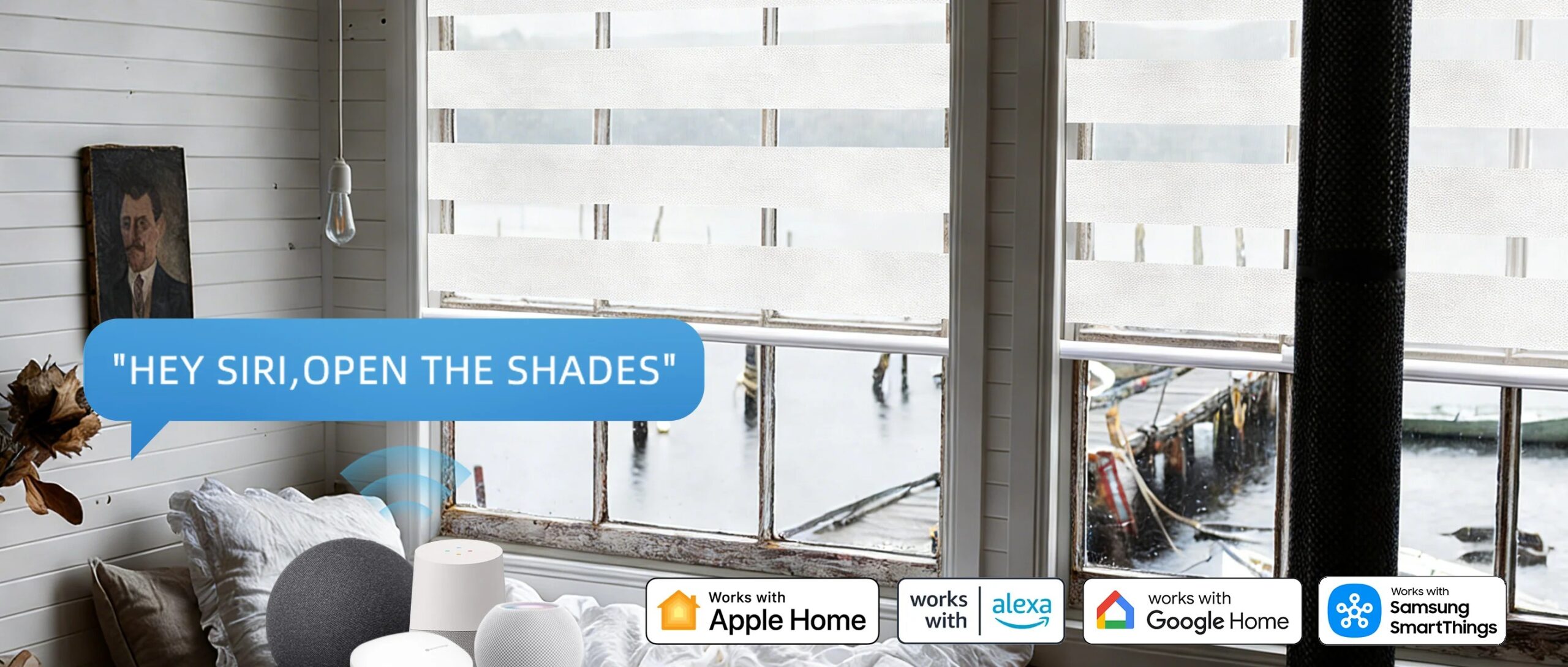
Control choice should match the household’s existing ecosystem. SmartWings supports platforms including Apple HomeKit, Amazon Alexa, Google Home, SmartThings and others, depending on motor and configuration. Buyers should confirm compatibility for the exact motor selected rather than assuming every blind works identically with every platform. A simple remote may still be valuable even in a heavily automated home because guests and household members can use it without opening an app.
Choose Motor and Control Options Around the Existing Smart Home
A room-by-room planning list can keep automation from becoming more complicated than the window problem it is meant to solve.
- Each window should have a primary goal such as blackout, privacy, glare control or easier physical access.
- Inside or outside mounting should be decided before final width and height measurements are recorded.
- The selected motor should be checked for exact compatibility with the household’s preferred control platform.
- A remote or other simple control method should remain available even when schedules and voice commands are used.
Build Automations That Still Leave Manual Control Simple
Schedules are most useful when they follow predictable events. SmartWings supports features such as timed operation and sunrise or sunset routines in compatible setups. Bedroom shades can open after waking, west-facing blinds can close before peak afternoon glare and living-room shades can lower at sunset for privacy. Automations should be tested gradually so unexpected behaviour does not disturb sleep or leave a room exposed.
Grouping can reduce control effort. Several blinds in one room may move together most of the time while still allowing individual adjustment when sunlight hits only one side. Scenes can coordinate shades with lighting or temperature systems, but the benefit should remain obvious. A household should not need to remember a complicated sequence merely to open a window covering. Clear names and a small number of useful routines are easier to maintain.
Window direction can help determine the most useful schedule. East-facing rooms may receive intense morning light while west-facing rooms often struggle later in the day. South-facing windows can contribute useful winter warmth but also create summer heat gain depending on climate and glazing. Automated shades can respond to these patterns, yet the schedule may need seasonal adjustment. A fixed closing time that works well for one part of the year may become unnecessary or inconvenient later. Sensors or sunrise and sunset logic can reduce some manual changes when the chosen system supports them. The household should still observe actual room temperature and glare rather than assuming automation is always beneficial. Good routines are based on comfort and privacy outcomes, with the technology quietly adapting around those goals. Seasonal review keeps those routines useful as daylight hours, sun angle and household schedules change.
Smart window treatments should make the home feel simpler, not more technical. SmartWings offers custom fabrics, motors and integrations, while successful planning still depends on ordinary questions about light, privacy, measurements and access. When those physical needs are solved first, automation becomes a convenient layer rather than the main reason for the purchase. The result is a system that responds to daily routines while remaining easy to control when plans change.