
Setting up a home gym sounds straightforward until the wrong equipment starts causing frustration or minor injury. Many of the most common home gym equipment mistakes happen at the buying stage, long before a single rep gets completed. Workout For Less customers often run into the same handful of misconceptions, from dumbbell types to flooring choices. Sorting fact from assumption can protect both a budget and a pair of joints.
Thinking All Dumbbells Work the Same: Fixed vs. Adjustable Options
Fixed dumbbells and adjustable sets serve different training styles, yet shoppers frequently treat them as interchangeable. Workout For Less stocks options such as the HXGN 20kg Cast Iron Dumbbell Weight Set, which pairs two 14-inch chrome spinlock dumbbell bars with a selection of cast iron plates. That setup allows load to be changed as strength increases, unlike a fixed Reebok Softgrip dumbbell, which comes in a set resistance such as 2kg. The choice between the two depends on whether a routine calls for one consistent weight or the flexibility to add plates over time.
A frequent mistake in this category is purchasing only a fixed-weight set and then needing an entirely new set once strength improves. That gap adds unplanned cost to a setup that could have scaled instead. An adjustable bar and plate system, like the HXGN set, leaves room to progress without starting over, while fixed softgrip dumbbells still suit repetitive, lighter-resistance work such as aerobic training or rehabilitation exercises. Matching the dumbbell type to the actual training goal avoids wasted spend on either end.
The Ab Mat Myth: Why Spinal Support Matters for Floor Exercises
It is easy to assume any flat mat will do for core work, but floor-based abdominal training puts real pressure on the lower back. The Reebok Ab Mat, available through Workout For Less, uses a contoured wedge shape that follows the natural curve of the spine. That design sits beneath the lower back and is intended to support it while allowing a greater range of motion during sit-ups.
Skipping dedicated spinal support is a mistake that often goes unnoticed until weeks of consistent floor training have passed, at which point lower back discomfort can build up. A flat yoga mat does not share the same wedge profile as a dedicated ab mat, so the two are not solving the same problem. For anyone doing regular sit-up style training, the distinction between a general mat and a shaped ab mat is worth understanding before buying.
Underestimating Floor Protection: The HXGN Floor Guards Reality
Flooring damage is rarely top of mind when someone orders a bench or a cardio machine, yet it is one of the most overlooked parts of setting up a space. The HXGN Floor Guards form a jigsaw-style set of four interlocking tiles designed to sit under exercise bikes, cross trainers, rowers, treadmills, or weight benches. The interlocking format means the tiles can be arranged to fit different footprints rather than relying on a single fixed mat shape.
Assuming that any mat or rug will protect flooring in the same way is one of the more costly home gym equipment mistakes, since different tools are built for different kinds of surface contact. A thin yoga mat is not the same product as a jigsaw-style guard meant to sit under heavier machines. Treating floor protection as part of the initial equipment list, rather than an afterthought, keeps the rest of a Workout For Less setup intact.
Weight Vest and Ankle Weight Mistakes: Dosage and Joint Safety
Added resistance tools such as weighted vests and ankle weights are popular, but the available load varies a great deal between products. The adidas Performance Adjustable Weight Vest adds up to 10kg of extra resistance and is built with a skeletal-style frame secured with straps. By contrast, the adidas Performance Ankle Wrist Weights come in a 2 x 2kg pairing designed to add resistance without placing unnecessary stress on the joints, while lighter options such as the Adidas Ankle Wrist Weights 2 x 0.5kg exist for those wanting a smaller increment.
Grabbing the heaviest available option without checking the increment is a common slip among people trying to speed up results. Because the vest adds resistance up to a stated maximum and the ankle weights come in distinct paired amounts, treating them as interchangeable loads is inaccurate. Matching the specific product, whether vest or ankle weight, to the resistance figure it is actually built for helps avoid this category of error.
- Many shoppers assume all dumbbells, fixed or adjustable, serve the same training purpose.
- Flat yoga mats are sometimes mistaken for dedicated ab mats with spinal support.
- Floor protection is frequently treated as optional rather than a core part of a home setup.
- Ankle weights and weighted vests are sometimes assumed to carry the same resistance regardless of the specific product.
- Training mat thickness is often chosen without considering the type of floor exercise it will support.
- Spring collars and anchoring hardware are commonly left off the shopping list entirely.
Mismatched Training Mat Thickness: A Common Floor Exercise Mistake
Mat thickness is another detail that gets overlooked until comfort becomes an issue mid-session. The Reebok 15mm Training Mat has an extra-wide 80cm dimension and a thickness of 1.5cm, with a ridged underside. That combination is built for floor-based exercise where width and a stable base matter as much as cushioning.
Selecting a thinner, narrower mat for the same style of training is a mismatch that only surfaces once a routine demands more surface width than the mat provides. A mat intended for general stretching is not necessarily built with the same dimensions as one meant for broader floor routines. Checking stated thickness and width against the type of movement planned is a simple step that gets skipped surprisingly often, and it remains one of the more preventable home gym equipment mistakes shoppers at Workout For Less can avoid.
Neglecting Proper Equipment Anchoring: The Role of Spring Collars and Securing Mechanisms
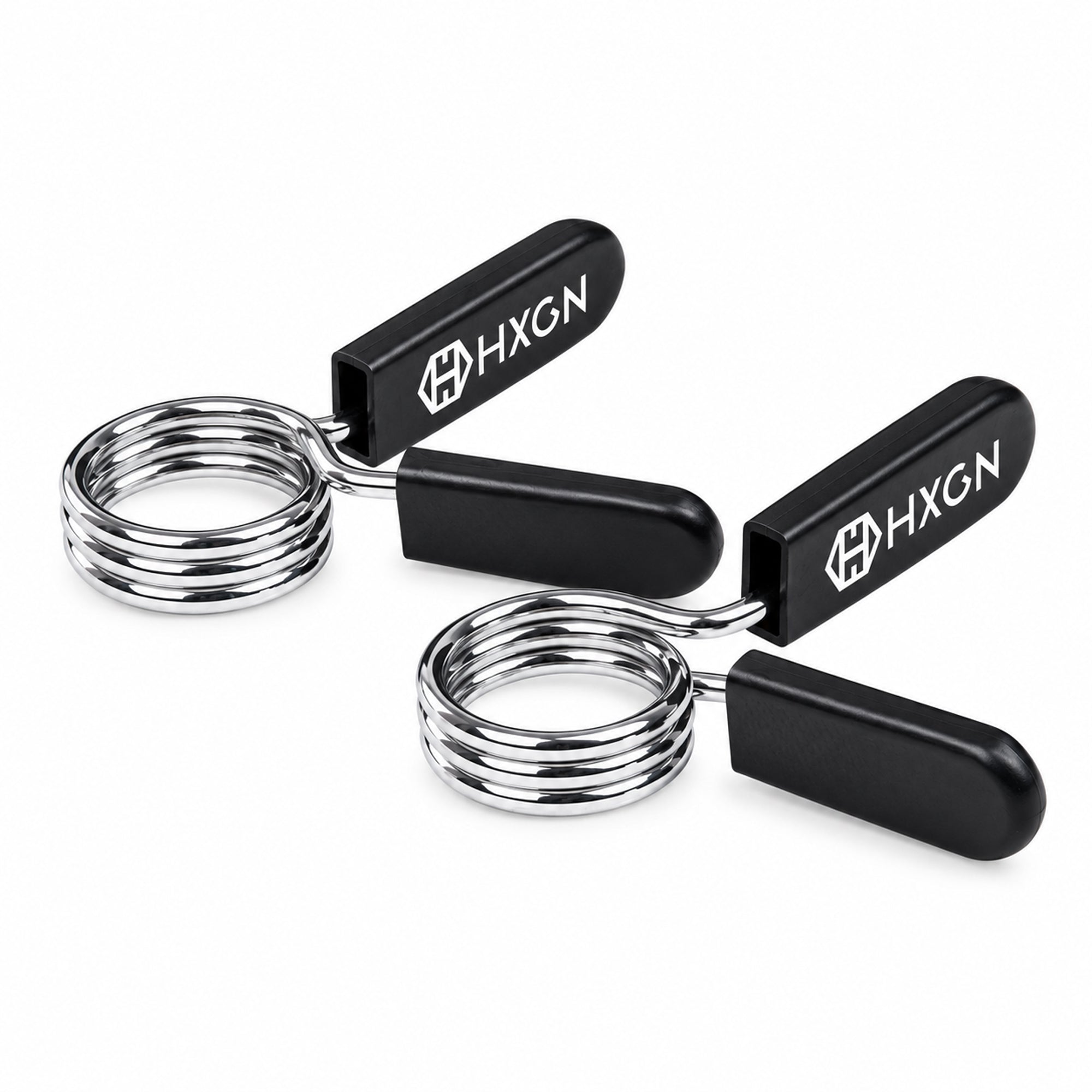
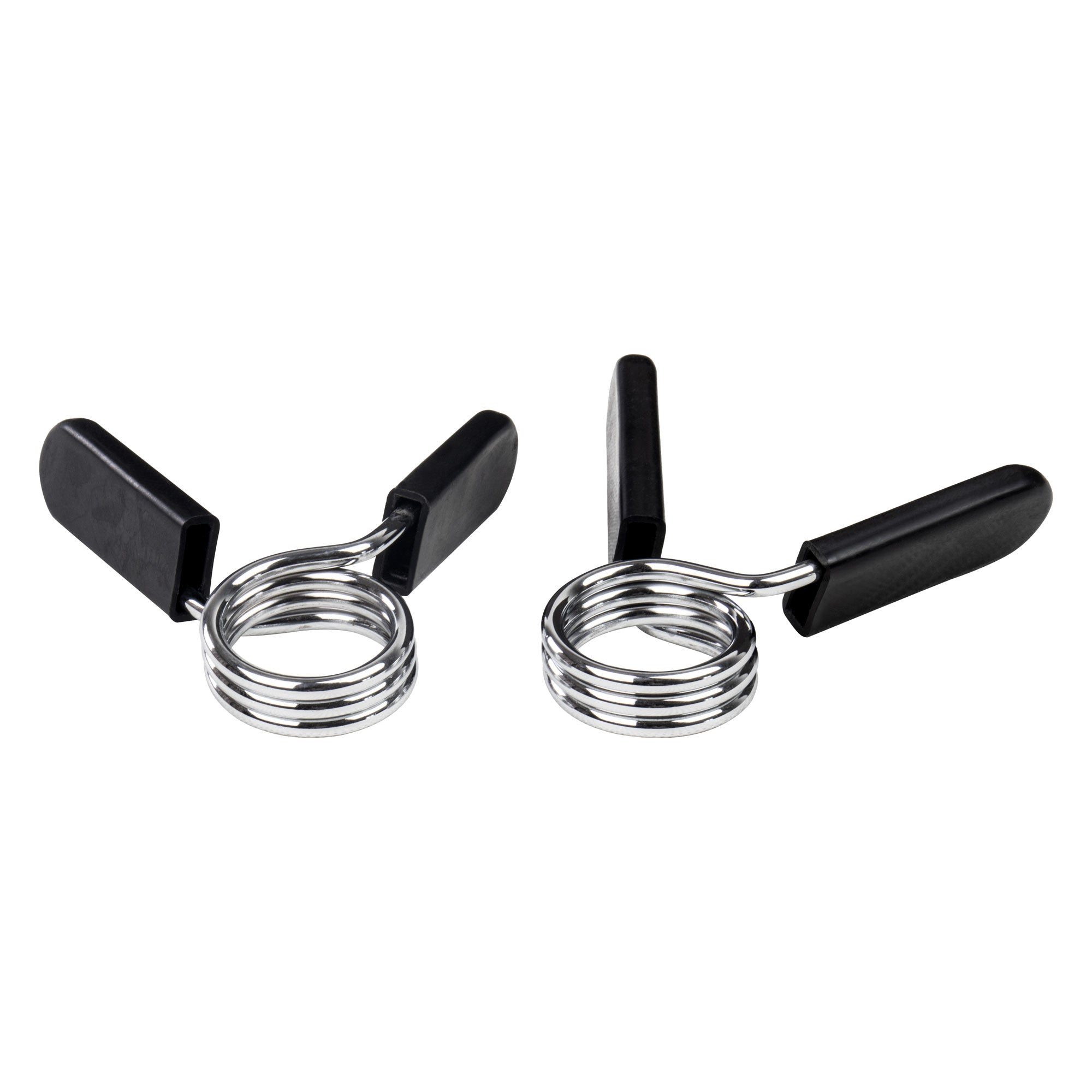
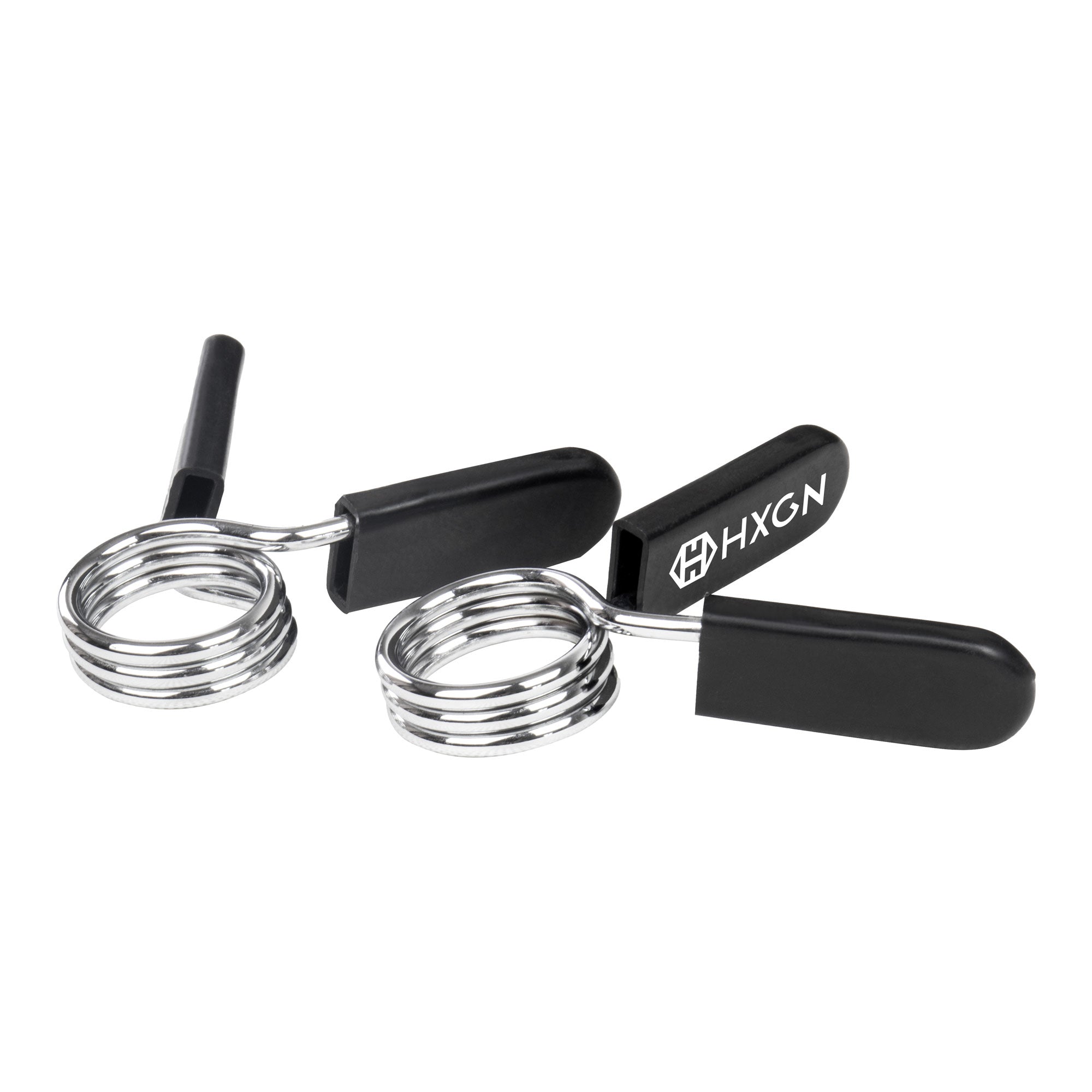
Barbells and dumbbell bars rely on more than just the plates themselves to stay safe during use. The HXGN 1 inch Standard Spring Collars, sold as a pair, use a steel spring construction with black handles for quick fitting and removal, and they are built for use with 1-inch standard weight bars. Without collars like these, plates on a bar have nothing holding them securely in place during lifts.
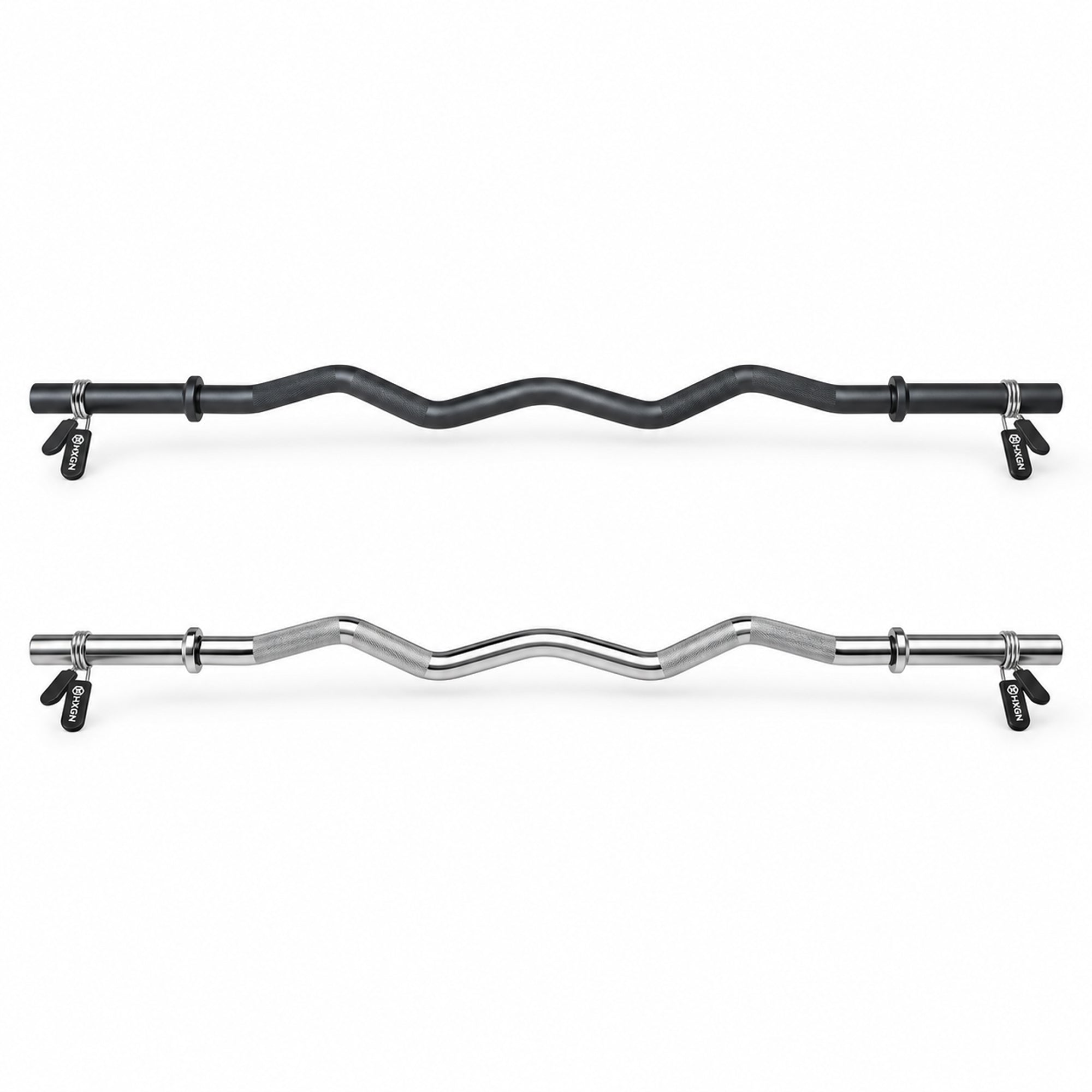
Overlooking anchoring hardware is one of the easier home gym equipment mistakes to fix once identified. Pieces such as the HXGN 1 inch Standard EZ Curl Bar are designed to be used with spring collars to keep the load stable during bicep, tricep, and upper-body work. Treating collars as an optional extra rather than a core part of a barbell or dumbbell bar setup undermines the rest of the investment made through Workout For Less.
Small details, from mat width to spring collars, end up shaping how a home gym performs day to day.