
Successful knitting and crochet projects usually begin before the first stitch is made. Yarn weight, fibre content, yardage and colour consistency all affect the finished result, and changing one factor can alter drape, warmth or size. The Great British YarnCompany carries yarn for knitting and crochet across several popular weights, which gives crafters room to compare options while keeping the pattern requirements in view. The most reliable approach is to treat the pattern as a technical guide first and a creative suggestion second.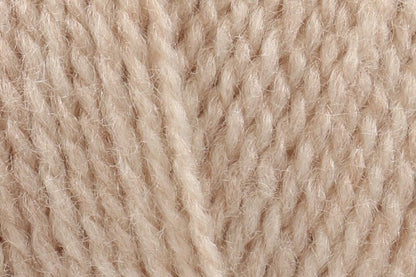
Let the Pattern Define the Starting Point
Pattern information normally states a yarn weight, recommended needle or hook size and required quantity. Those details work together. Replacing a double-knit yarn with a much heavier alternative can change the dimensions even when the stitch count stays the same. A substitution is more likely to work when the new yarn has similar weight and metreage per ball. Swatching then confirms whether the chosen tools and personal tension produce the required gauge.
Gauge is particularly important for garments. A small difference across ten centimetres can become a large difference across the width of a jumper. The Great British Yarn Company stocks familiar yarn ranges in several weights, so a crafter can compare the label information rather than relying on colour alone. A test swatch should be washed and dried in the way the finished item will be treated because some fibres relax, bloom or change slightly after washing.
Understand What Fibre Changes in the Finished Fabric
Fibre content influences feel and behaviour. Wool can provide warmth and elasticity, acrylic often offers easy care and blended yarns can combine several useful properties. Cotton tends to have less stretch and can create a cooler, heavier fabric. The intended wearer and use should guide the choice. A baby blanket has different care needs from a decorative cushion, while a fitted garment may benefit from recovery that a rigid plant fibre does not naturally provide.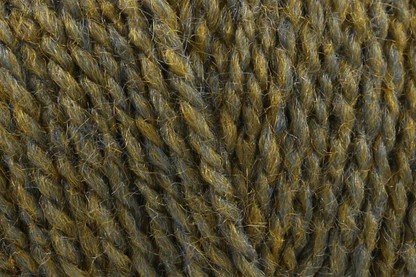
Quantity should be calculated from total yardage or metreage rather than only the number of balls listed in a pattern. The Great British Yarn Company offers multibuy savings on yarn ranges, which can be useful when a project requires several balls, but the important calculation still begins with the pattern’s total requirement and the amount supplied in each ball. Adding a modest reserve is sensible for large projects, alterations or swatching. Running out near the end can create colour-matching problems.
Calculate Quantity With a Sensible Reserve
A short planning list helps crafters purchase a complete project in one order and reduces interruptions after work has started.
- The pattern’s yarn weight and gauge should be checked before colour choices are finalised.
- Total metreage should be calculated across all balls rather than estimated from ball count alone.
- A washed swatch should be measured when fit or final dimensions are important.
- Yarn labels should be retained so fibre content, dye lot and care instructions remain available.
Keep Colour and Care Requirements Consistent
Dye lot consistency matters whenever a project uses several balls of the same shade. Slight colour differences can become noticeable across large areas of stockinette or other smooth stitches. The Great British Yarn Company can supply multiple balls within an order, but crafters should still check labels when the yarn arrives and keep the bands until the project is finished. Alternating between two balls can sometimes soften minor variation when exact matching is not possible.
Care instructions should be considered before a fibre is chosen, not after the garment is completed. Machine-washable yarn can be more practical for frequently used blankets, children’s clothing or gifts when the recipient’s laundry habits are unknown. Hand-wash fibres may suit special pieces that receive more careful treatment. The finished object should fit the owner’s routine as well as the maker’s creative plan.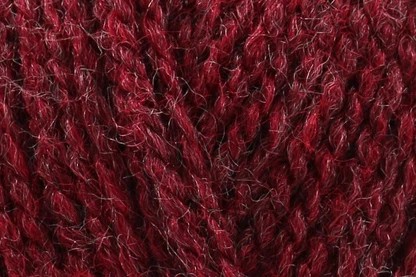
Project construction should also influence yarn choice. Cables and textured stitches often show clearly in smooth, well-defined yarns, while fuzzy fibres can soften stitch definition and create a different effect. Lace patterns may depend on blocking to reveal their structure, so the fibre needs to respond appropriately to that finishing process. Colour can change visibility too. Very dark or heavily variegated yarn may hide intricate stitch work that would be obvious in a lighter solid shade. None of these choices is inherently better, but the yarn should support the design feature that gives the project its character. Crafters who want to substitute a yarn can compare finished projects made from similar fibres and weights, then create a generous swatch. That small test can reveal drape, texture and colour behaviour before a much larger investment of time begins.
A well-planned yarn purchase removes several avoidable sources of frustration. The Great British Yarn Company gives knitters and crocheters a broad range of weights and styles to explore, while the pattern provides the framework for making those choices responsibly. Matching weight, checking gauge, calculating total metreage and keeping dye lots consistent creates a more predictable project. Creative decisions still have plenty of room, but they work best when the technical foundation has already been settled.