
A hiker packs a can for the summit and expects it to taste like flat soda, only to find a genuine bitter aperitif waiting at the top. That small surprise is where most non-alcoholic spirits misconceptions start to unravel. Many assumptions about these drinks treat every bottle as thin, sugary, or interchangeable with the next, and outdoor-focused drinkers especially tend to repeat these claims without testing them. Pentire Drinks offers a useful case study, because its range of coastal botanical spirits and ready-to-drink cans directly contradicts several of these assumptions.
The ‘All Non-Alcoholic Spirits Taste the Same’ Myth: How Pentire Adrift, Coastal Spritz, and Seaward Differ
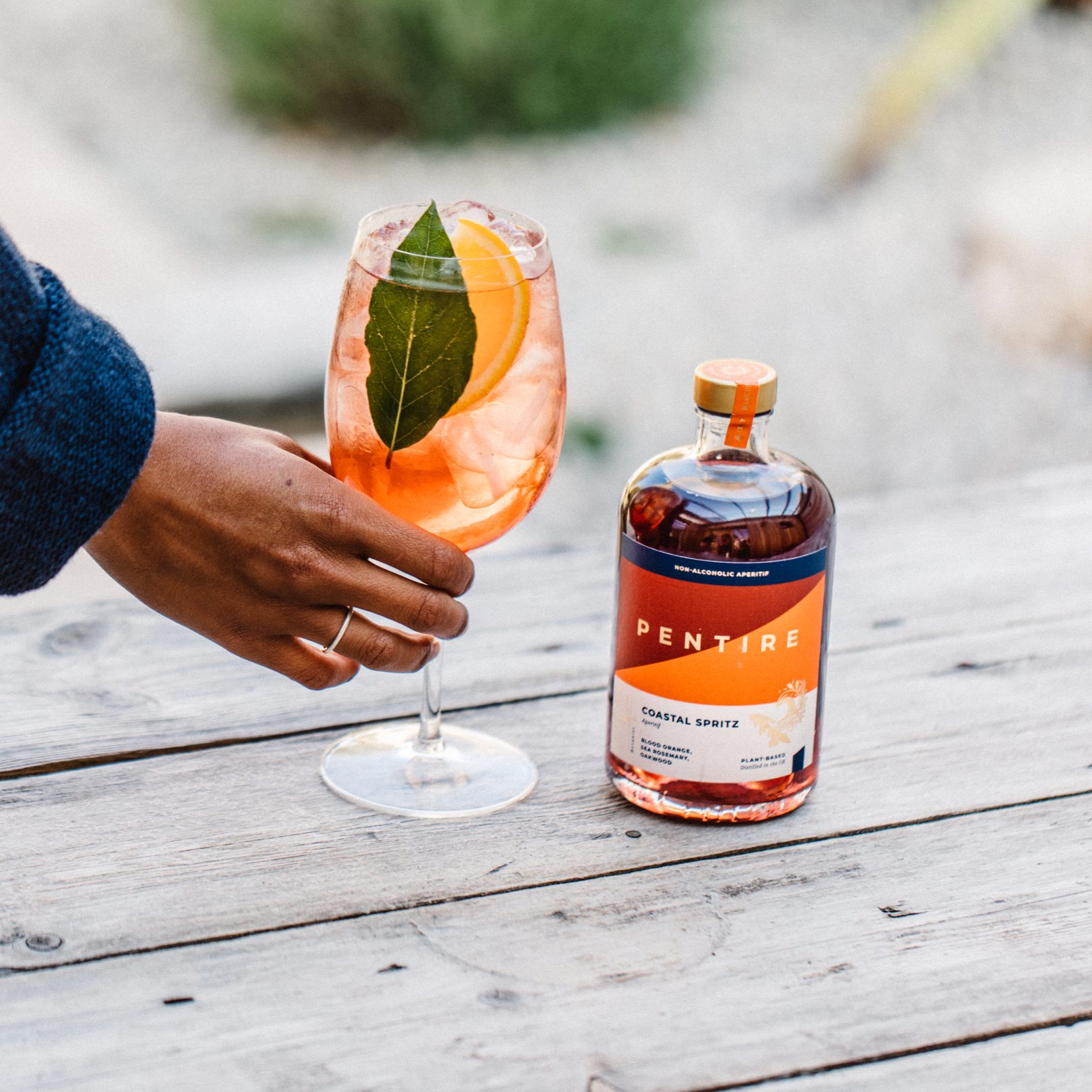
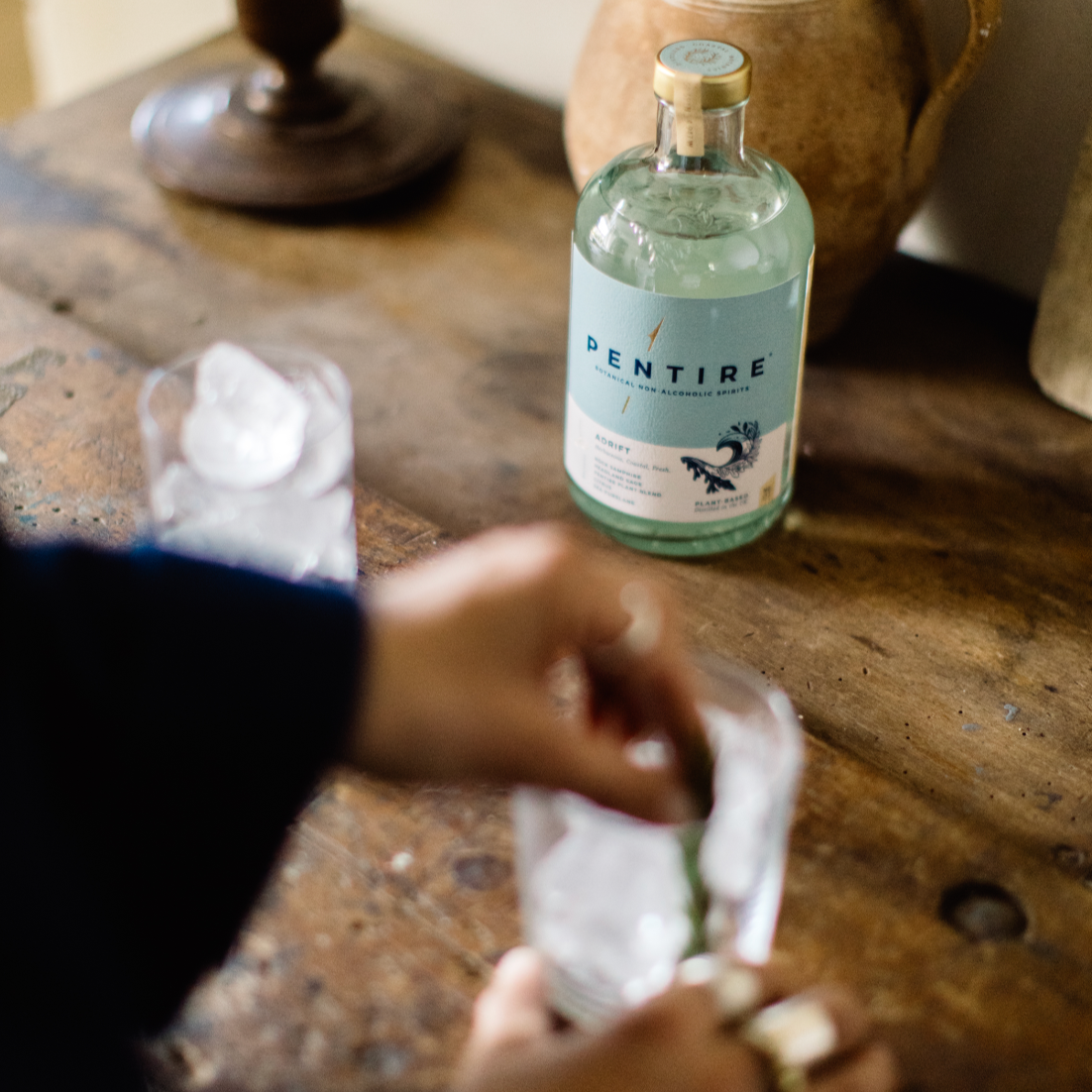
A frequent claim is that alcohol-free spirits are indistinguishable from one another, as if flavour were an afterthought. Three core bottles show otherwise. Pentire Adrift is distilled with rock samphire, headland sage, and lemon citrus, giving it a herbaceous, crisp profile. Pentire Seaward leans into pink grapefruit, sea buckthorn, and wild seaweed, producing a zesty, bright character, while Pentire Coastal Spritz blends blood orange, sea rosemary, and oakwood for a bitter aperitif style.
Myth: Non-Alcoholic Spirits Can’t Stand Up in Proper Cocktails
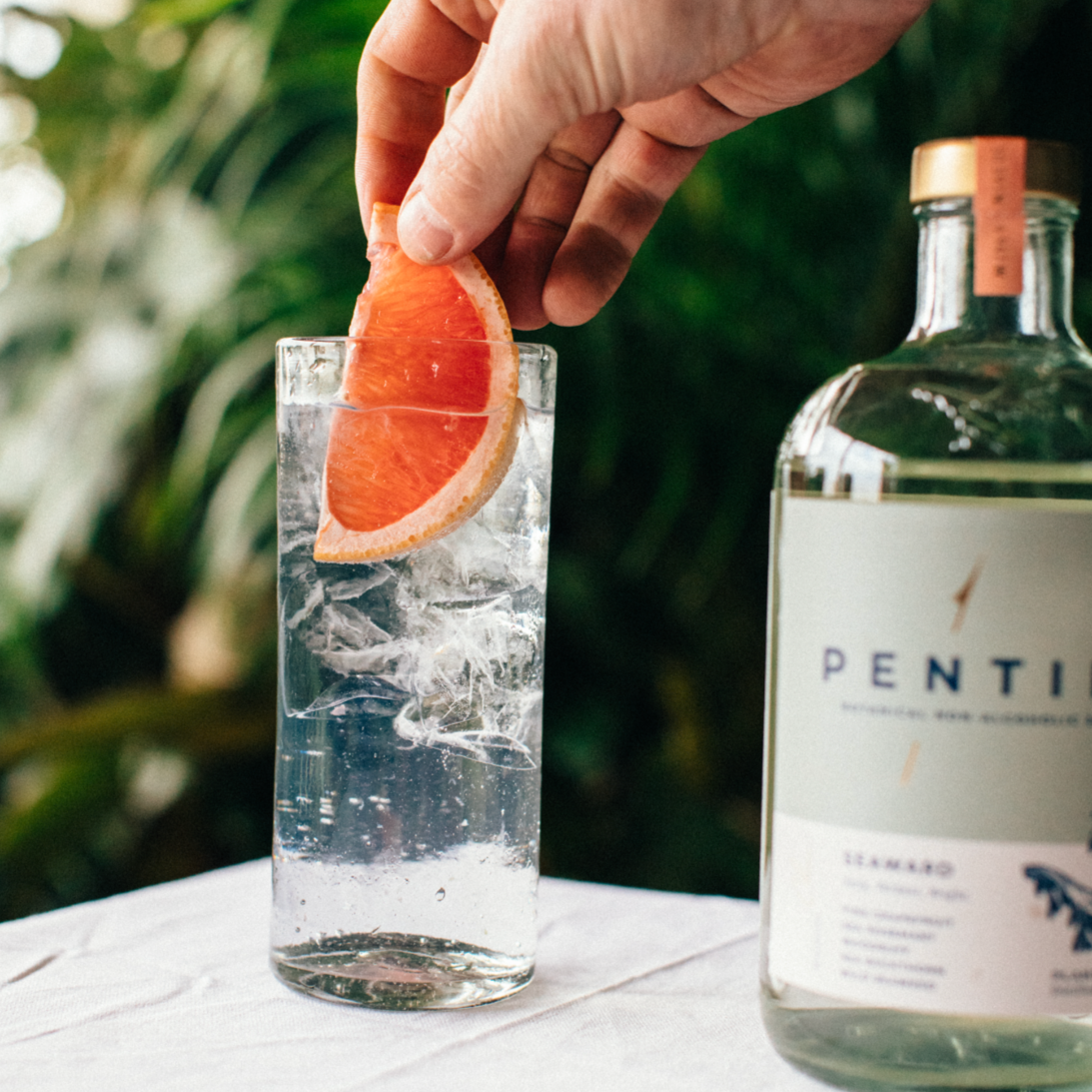
Another recurring doubt is that alcohol-free spirits collapse once mixed, losing character behind tonic or soda. Serving suggestions from Pentire Drinks push against that, pairing Seaward with tonic and grapefruit for a gin-style drink. Adrift has also appeared in chef collaborations alongside grilled fish and seasonal vegetables, which suggests botanicals distilled with enough depth to carry through a mixed serve rather than fade into the background. In addition, a dedicated non-alcoholic cocktails collection, including a Margarita and a Paloma built around the same coastal botanicals, points to a range designed specifically for mixing rather than solo sipping.
Pentire’s Coastal Botanicals: Why ‘Natural Distillation’ Matters More Than Marketing
Some shoppers assume that any alcohol-free spirit relies on flavourings and additives to fake complexity. The botanicals used by Pentire Drinks come from the Cornwall coastline, sourced sustainably and distilled rather than blended from concentrate. That distinction matters because it separates a spirit built around whole plants from one assembled purely for marketing copy, and it is one of the clearer non-alcoholic spirits misconceptions to test directly against an ingredients list.
The Sugar and Calorie Misconception: What Pentire’s Nutritional Profile Actually Shows
A persistent myth holds that alcohol-free spirits simply swap alcohol for sugar, making them no healthier a pour than a soft drink. Pentire Adrift and Pentire Seaward are both described as low in calories and free from artificial colourings and flavourings, and Seaward is further listed as free from sugar on top of that. That combination challenges the idea that cutting alcohol automatically means adding sweetness. For wellness-minded drinkers who track what goes into a glass, this is one of the more concrete counterpoints to the broader sugar-and-calorie assumption around non-alcoholic spirits.
Ready-to-Drink Cans Don’t Match Bottled Quality: Testing the Pentire Cans Mixed 6-Pack Against This Claim
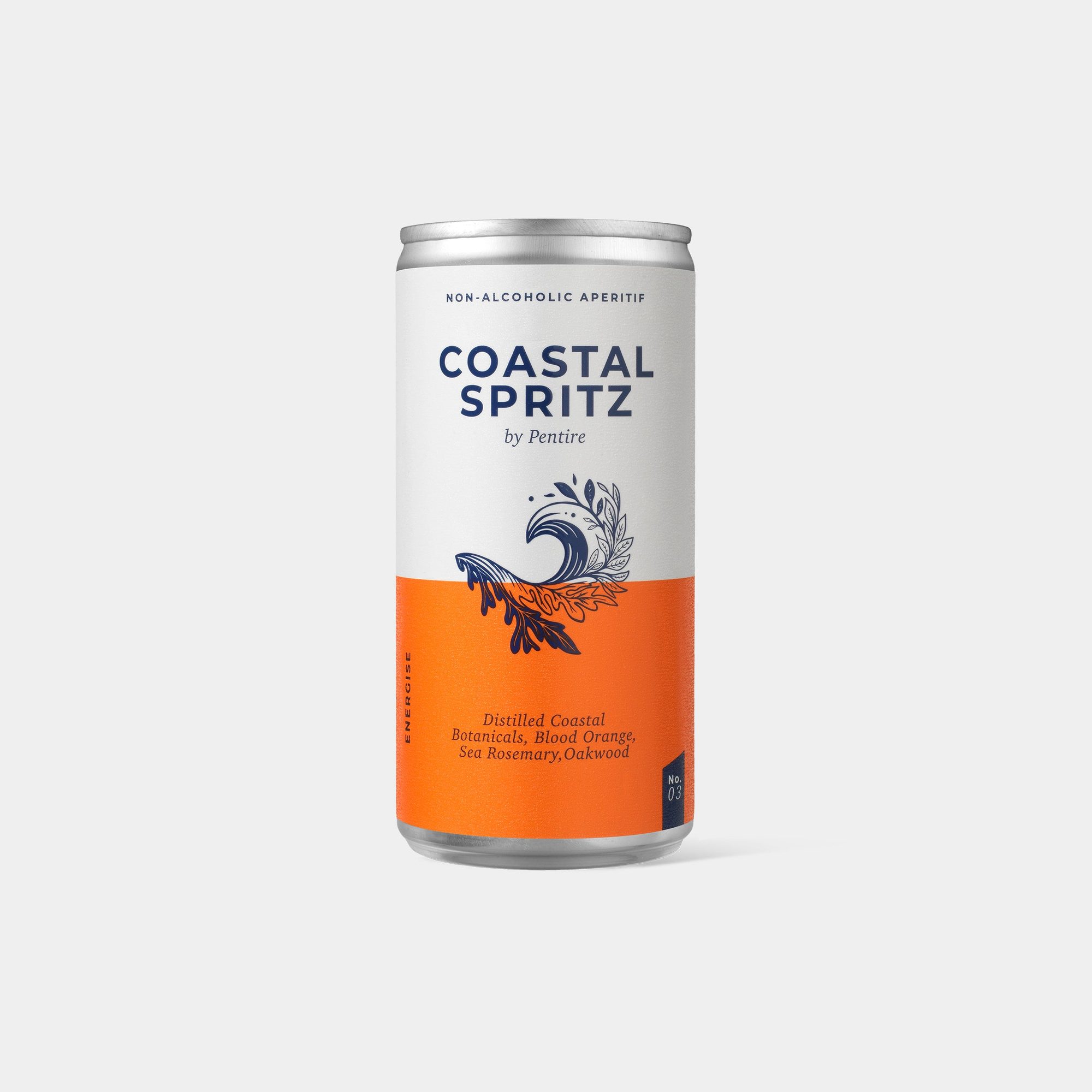
A common assumption treats canned cocktails as a lesser version of the bottled range, built for convenience rather than flavour. The Pentire Cans Mixed 6-Pack holds two cans each of Coastal Spritz, Margarita, and Paloma, each in a 200ml can made with the same distilled coastal botanicals used in the bottles. Margarita combines the botanicals with lime, agave, sea salt, and a dash of Mexican chilli, while Paloma pairs them with pink grapefruit, lime, agave, and soda. Rather than a simplified version of the core range, Pentire Drinks extends the same botanical base into a ready-to-drink format built for outdoor use.
Non-Alcoholic Spirits Are Just for ‘Sober Curious’ Drinkers, Debunked
Another misconception frames alcohol-free spirits as a niche product aimed only at people cutting back on drinking for health reasons. Pentire Drinks positions its range around active, outdoor lifestyles instead, with campaigns built around swimming, hiking, and coastal cooking rather than abstinence messaging. Collaborations with chefs and photographers reinforce that framing, treating the drinks as part of an outdoor routine rather than a substitute for something else. That broader positioning is itself evidence against treating non-alcoholic spirits as a single-purpose category.
- Some assume every alcohol-free spirit tastes diluted, which breaks down once distinct botanical blends like Adrift, Seaward, and Coastal Spritz are tasted side by side.
- Some assume these spirits cannot hold their own in a mixed drink, a claim undercut by serving suggestions built around tonic, grapefruit, and grilled food pairings.
- Some assume natural distillation is just a marketing term, though sourcing whole plants from a single coastline is a concrete sourcing detail rather than a slogan.
- Some assume alcohol-free automatically means high in sugar, which does not match a range that lists specific bottles as free from sugar and low in calories.
- Some assume canned cocktails are a lesser product, despite the cans using the same distilled botanicals as the bottled range.
- Some assume the category exists only for people avoiding alcohol entirely, despite marketing built around active outdoor living rather than abstinence.
None of these claims hold up cleanly once checked against an actual product range rather than a general impression of the category. The most common non-alcoholic spirits misconceptions fall apart in the same way, against botanicals, nutritional listings, and a canned range rather than against a slogan. What remains is a narrower, more accurate picture of what these drinks can actually offer.