
A functional desk does not need to be minimal, but it does need to make the next task easy to begin. Pens that disappear into drawers, loose notes that cover the keyboard and cables that cross the writing area all create small interruptions. MustardLondon makes colourful stationery, planners, sticky notes and desk accessories that can add personality while still serving practical roles. The useful approach is to decide which objects deserve to stay within arm’s reach and then give each group a defined place.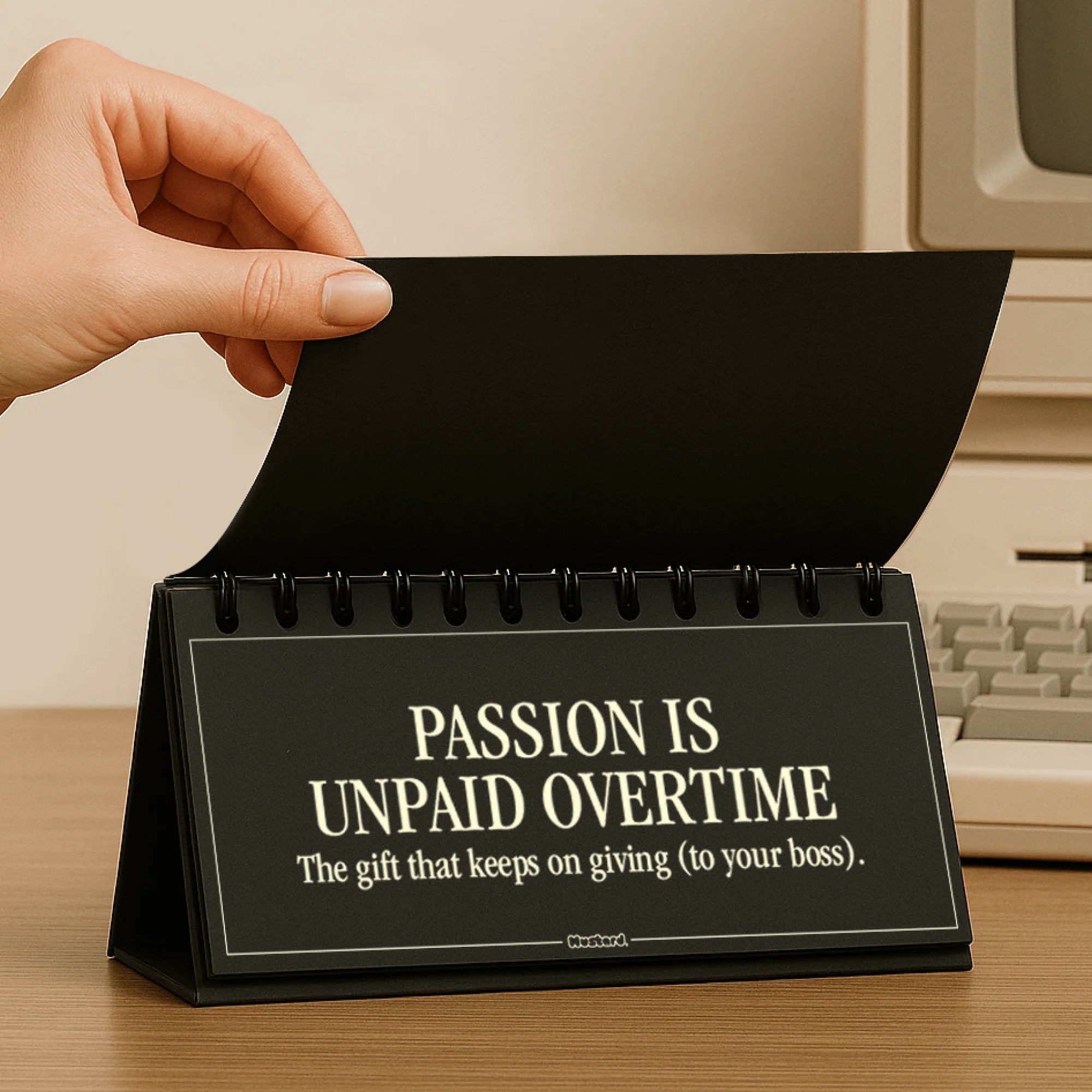
Clear the Working Area Before Adding Accessories
The desk surface should be cleared before new organisers are introduced. That reveals how much space is actually available and which items repeatedly return to the same area. A laptop, notebook and water bottle may already use most of a small desk. In that case, vertical storage or a compact pen pot makes more sense than several trays. Accessories should protect working space rather than consume it.
Frequency should determine placement. Mustard London offers pen pots, planners and note products that suit different desk tasks, but each item works best when it reflects a routine. Pens used every hour belong close by. Specialist markers can sit in a drawer. Paper that needs action can have one tray, while reference material can be stored farther away. This reduces visual noise without forcing every object out of sight.
Give Frequently Used Items an Obvious Home
Colour can help distinguish categories. One notebook might be used for meetings and another for project notes. Sticky notes can separate urgent reminders from ideas that do not require immediate action. The system should remain simple enough to remember without a key. Too many colours quickly stop carrying meaning and become decoration. Two or three repeated cues often provide enough structure while keeping the desk lively.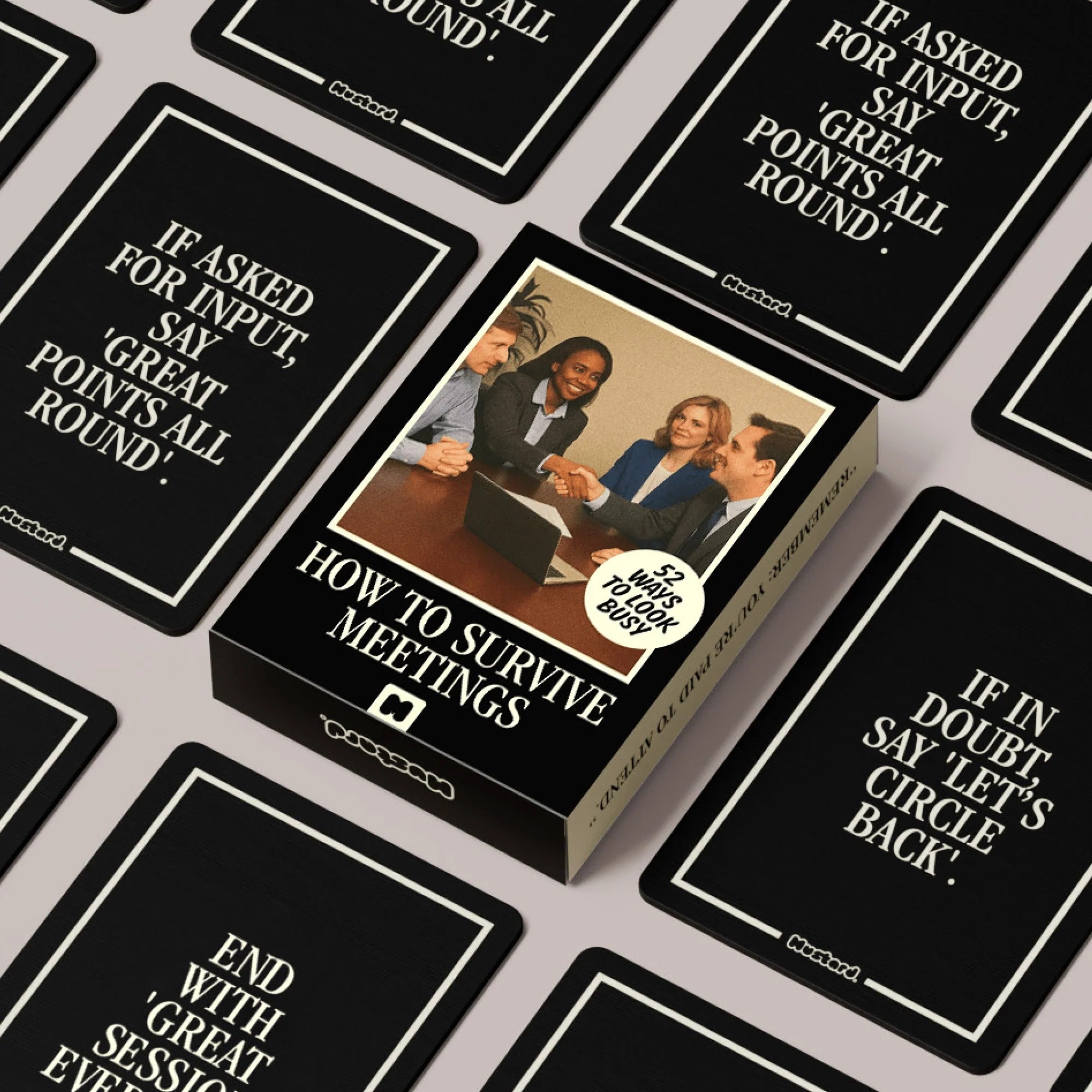
Personality still has a role. Mustard London is known for playful desk accessories and bright stationery, which can make a work area feel more individual. The practical test is whether the item also contributes to order, comfort or motivation. A pen pot can be visually distinctive and still collect the tools that would otherwise roll across the desk. A planner can look cheerful while keeping deadlines visible. Form and function do not need to compete.
Use Colour to Support Organisation Rather Than Create Clutter
A small set of desk rules can keep the arrangement from drifting back into clutter after a busy week.
- Only the tools used most days should remain permanently on the main work surface.
- One container or zone should be assigned to each major category such as pens, notes and incoming paper.
- Colour coding should use a small number of meanings that remain easy to remember.
- The desk should be simple enough to reset in a few minutes after work ends.
Keep the System Easy to Reset at the End of the Day
Paper deserves its own system because it spreads quickly. Mustard London products can support short notes and planning, but completed pages, receipts and printed documents need a separate destination. A single inbox for unsorted paper can work if it is reviewed regularly. Documents that need long-term storage should move away from the desk once action is complete. That keeps the immediate work area focused on current tasks.
Resetting the desk should take only a few minutes. Pens return to the same container, loose notes are transferred to a task list when needed and cups or packaging leave the area. A short reset at the end of the workday prevents the next session from starting with cleanup. The system succeeds when it reduces decisions rather than creating another routine that feels difficult to maintain.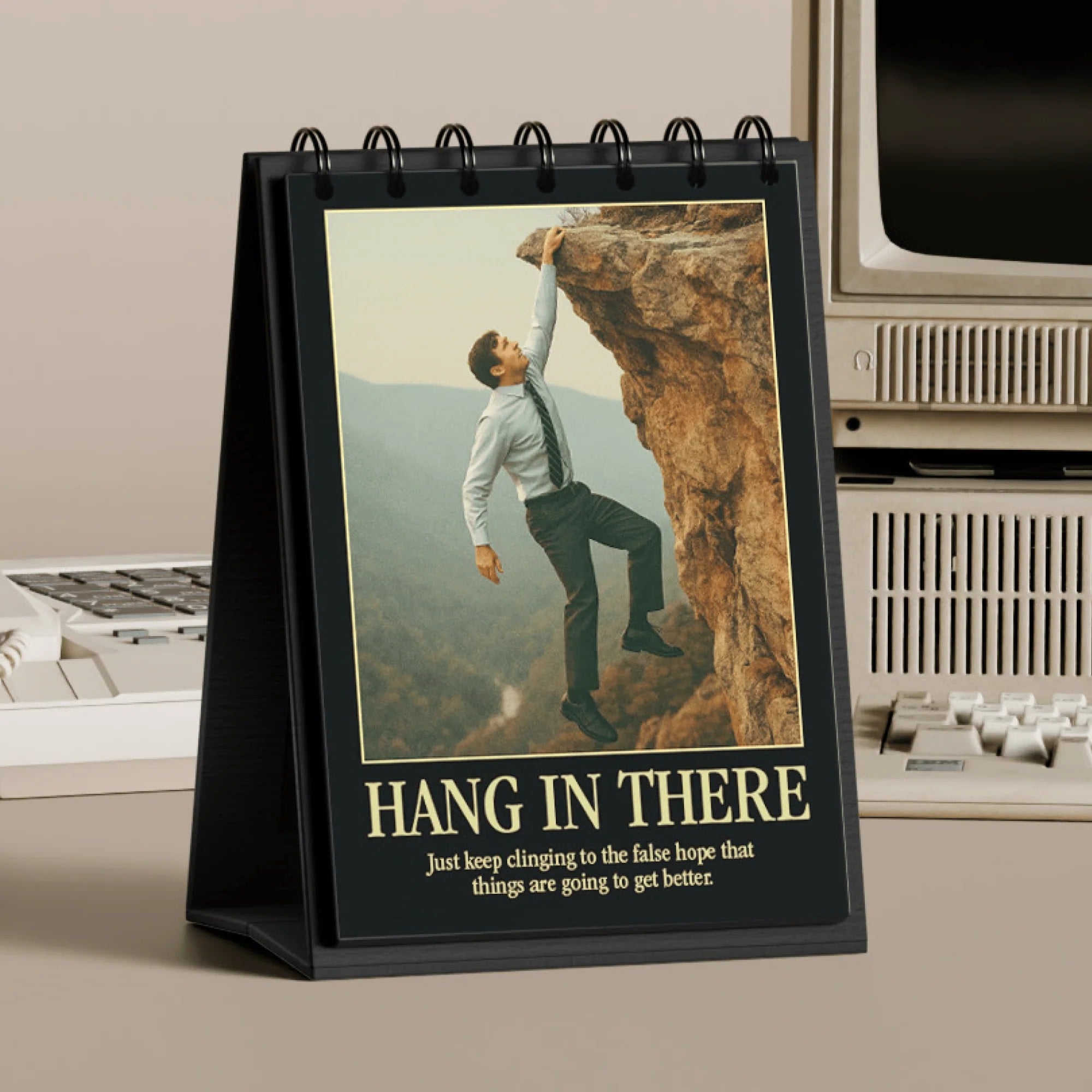
Digital and paper organisation should also be separated deliberately. A desk can become cluttered when the same task is written in several notebooks, sticky notes and apps without one trusted master list. Paper is useful for quick capture, visual reminders and focused planning, while digital tools are often better for searchable records and recurring deadlines. The desk system should decide where each type of information eventually lives. A sticky note might hold a temporary reminder, then be discarded after the action is transferred or completed. A planner can hold the day’s priorities without replacing the calendar used for meetings. When each format has a defined purpose, stationery becomes a working tool rather than another source of duplication. That also makes colourful accessories more enjoyable because their role is clear inside a simple information flow. The clearest system is usually the one that can survive a rushed day, since an organiser that only works under perfect conditions will quickly be abandoned.
A desk becomes easier to use when organisation is visible, limited and repeatable. Mustard London can add colour and character through stationery and accessories, while the underlying structure comes from deliberate placement. Frequently used items stay close, paper has a route in and out and decorative pieces also earn a practical role. The result can feel expressive without sacrificing the clear surface needed for focused work.