
Buying a health monitor is easy. Remembering to use it properly three weeks later is usually the harder part.
Home health tracking works well when it becomes part of an ordinary routine rather than something you only think about when you feel unwell. Whether you are monitoring blood sugar, blood pressure, or uric acid, the useful part is not simply getting a number on a screen. It is being consistent enough to notice changes and having information you can discuss with a healthcare professional when necessary.
This is also why the device itself matters. If it feels unnecessarily complicated, requires too many steps, or is difficult to fit into your day, there is a good chance it will eventually end up forgotten in a drawer.
Make monitoring fit into something you already do
One of the easiest ways to become more consistent is to stop treating health monitoring as a separate event.
If you have been advised to check your blood glucose at a particular time, for example, connect the test with something already built into your day. The same idea can work for checking blood pressure. A familiar routine removes some of the effort involved in remembering.
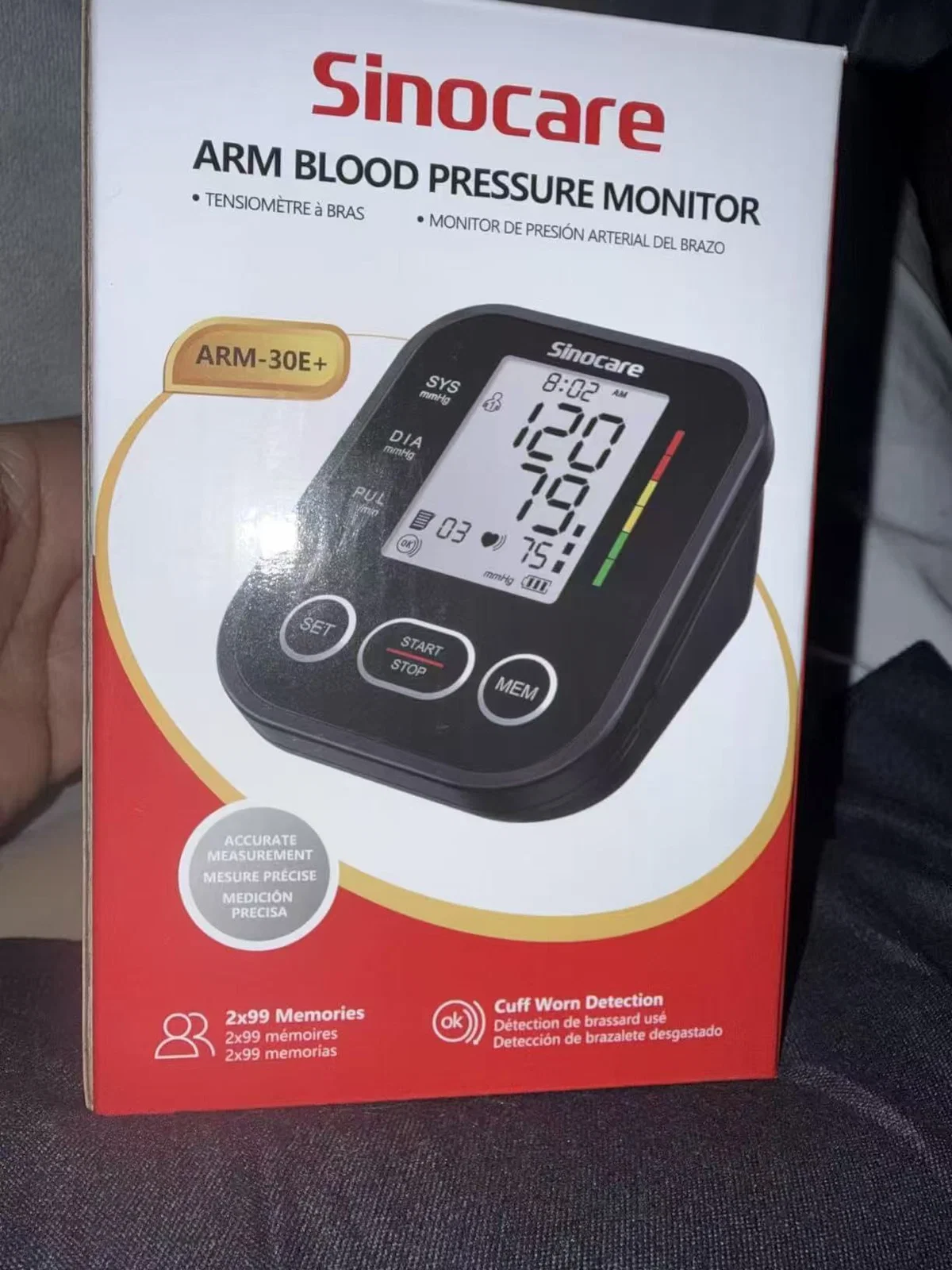
The range from Sinocare is built around home monitoring, with products covering blood glucose, blood pressure, and uric acid. The brand also has blood glucose meters designed to provide readings within seconds, which is useful when testing needs to fit around normal daily life.
Keep the equipment somewhere sensible too. Having your glucose meter, compatible test strips, lancets, and other supplies together is much easier than searching through different cupboards every time you need them.
Do not collect numbers without context
A reading on its own only tells you so much.
Suppose your blood sugar looks different from what you normally see. What happened beforehand? Had you recently eaten? Exercised? Taken medication? Were you testing at a different time than usual?
Recording a little context can make your history much more useful. You do not need an elaborate spreadsheet. A notebook or an app may be enough.
Some devices make this easier. For example, Sinocare offers the Safe AQ Air blood sugar monitor with Bluetooth connectivity and storage for up to 500 test results. It can sync readings to a phone, reducing the need to manually record every result.
That kind of convenience may sound minor, but removing small annoyances is often what makes a routine easier to maintain.
A simple device can be more useful than one packed with features
Health technology can become complicated surprisingly quickly. Extra features are appealing when you are comparing products, but think about which ones you will genuinely use.
For somebody primarily concerned with blood glucose, a straightforward glucose meter may make sense. Someone who has been advised to monitor both glucose and uric acid might prefer one device capable of handling both.
Sinocare, for instance, offers its Safe AQ UG as a dual-function meter for blood glucose and uric acid testing. The device uses separate strips for the two tests while allowing both to be checked using the same meter.
The important question is not how many functions a device has. It is whether those functions match what you actually need to monitor.
Small testing habits matter too
Consistency is not only about how often you test. How you handle the equipment matters as well.
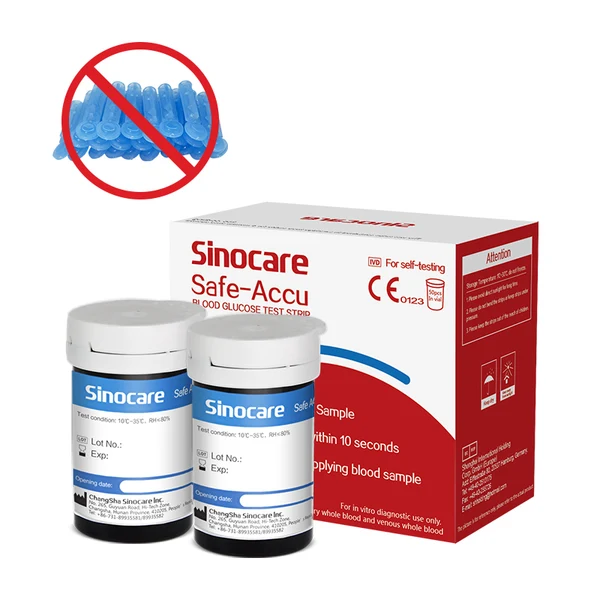 Test strips need to be compatible with the meter you are using. Sinocare specifically notes that mismatched meters and strips can make testing unusable, so buying replacement strips based only on appearance is a mistake worth avoiding.
Storage deserves attention too. Keep strips according to their instructions, check expiry dates, and close containers properly after removing a strip. With the Safe AQ UG system, Sinocare advises users to close the vial immediately and pay attention to the period for which strips remain usable after opening.
These are small details, but home monitoring depends on doing the small things consistently.
Look for patterns, not reasons to panic
One unusual reading can be worrying, especially when you have only recently started tracking your health. Resist the temptation to diagnose yourself from a home monitor.
The more useful approach is to follow the testing schedule recommended for you and keep a record of your results. If something looks consistently unusual, or you are unsure what your readings mean, speak with a qualified healthcare professional.
Even Sinocare makes this distinction in its guidance, explaining that home glucose testing does not itself diagnose diabetes.
Home health tracking is ultimately less about owning another piece of technology and more about building a routine you can realistically maintain. Keep your equipment accessible, test correctly, record useful context, and choose a device that suits your actual needs.
Those habits are not particularly exciting, but that is partly the point. The easier health monitoring feels, the more naturally it can become part of everyday life.