
A smaller wardrobe works when most pieces can be worn repeatedly in different combinations. Gender-inclusive clothing can support that approach by focusing attention on silhouette, comfort and personal preference instead of a rigid menswear or womenswear category. Pitod creates gender-inclusive clothing such as T-shirts, hoodies, joggers and polo shirts using organic or recycled materials. The useful starting point is not a target number of garments but a clear picture of the outfits needed for work, weekends, travel and relaxed time at home.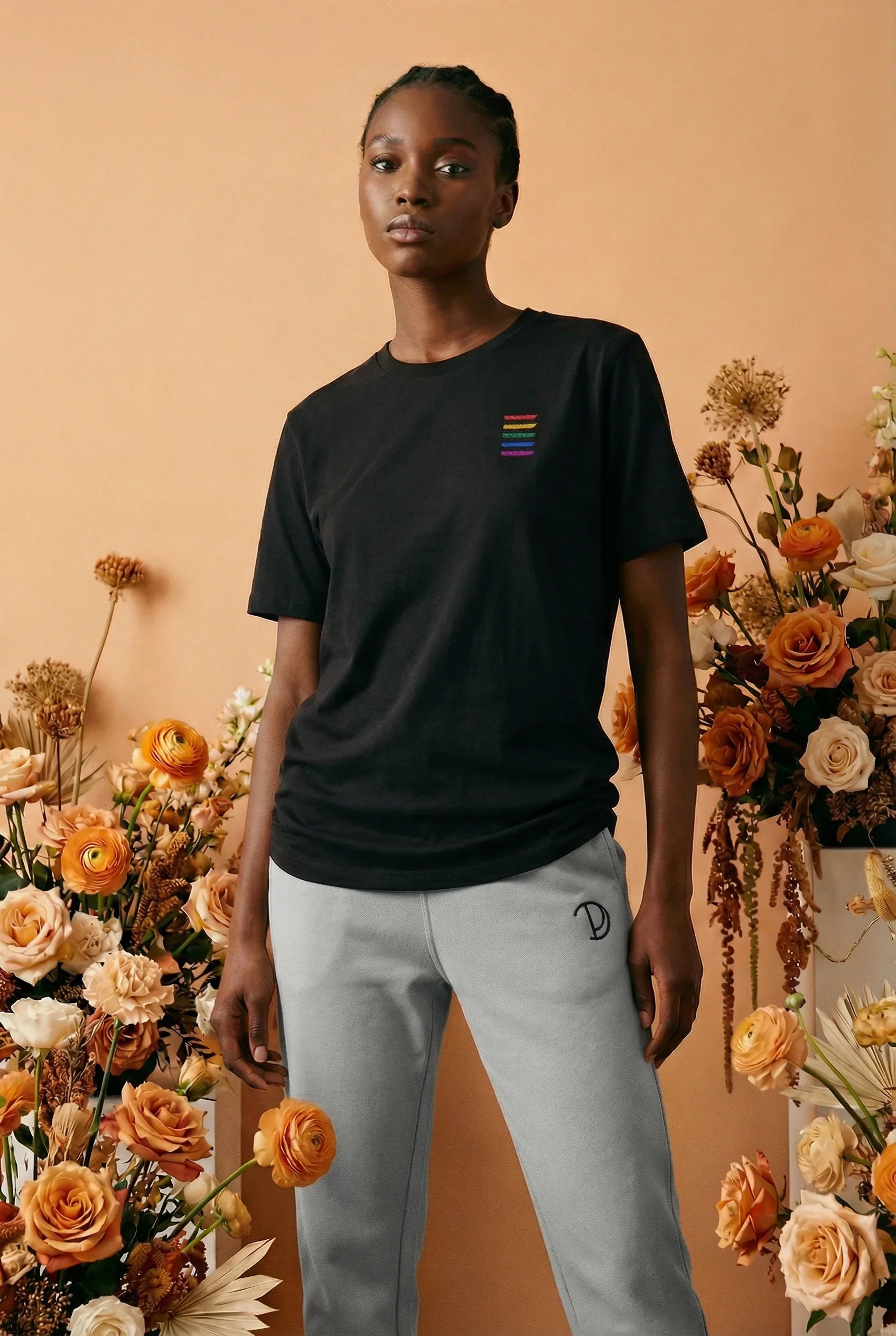
Choose Silhouettes for Fit and Use Instead of Gender Labels
Fit should be judged from measurements and desired shape. One person may prefer an oversized hoodie with straight trousers, while another may want a closer top with relaxed joggers. Size charts are more reliable than assumptions based on a label. Shoulder width, chest measurement and garment length can determine whether a unisex cut feels intentionally relaxed or simply too large. A wardrobe becomes more wearable when each piece has a planned silhouette rather than being chosen only because the design looks appealing online.
A base layer can do much of the work. Pitod offers everyday tops and sweatshirts that can sit under jackets, overshirts or coats. Neutral versions create easy combinations, while one or two graphic pieces provide a stronger identity. Repeating the same reliable cut in different colours can also simplify dressing because the owner already understands how the garment fits with existing trousers and footwear.
Create a Base of Repeatable Layers
Layering extends use across changing conditions. A T-shirt can work alone, under an open shirt or beneath a hoodie. A sweatshirt can shift from indoor comfort to outer layer in mild weather. The most useful pieces are not necessarily the most basic, but they should connect to several other items already owned. Before buying, it helps to name at least three realistic outfits using the new garment. If those combinations are difficult to identify, the item may be too isolated for a small wardrobe.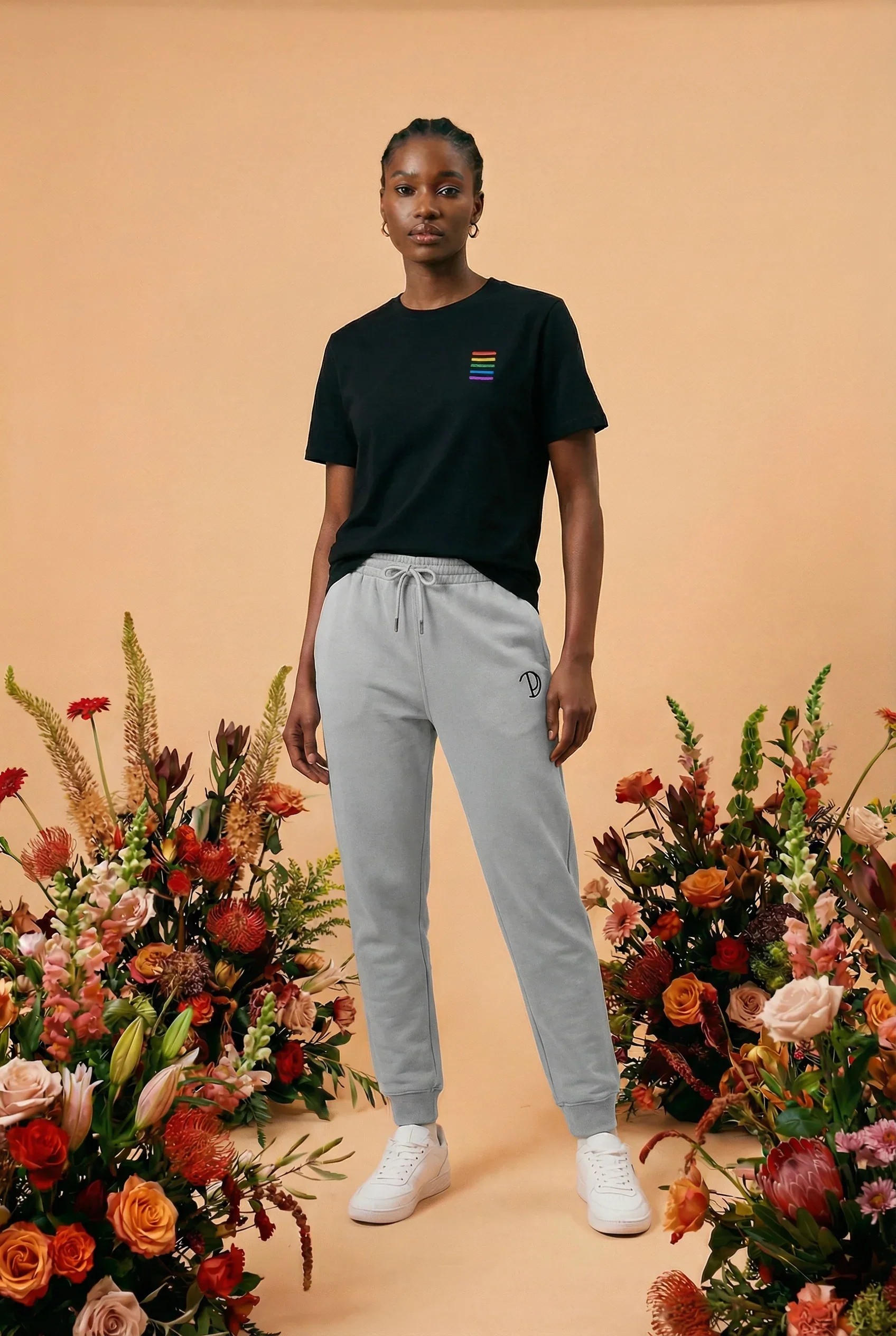
Material information adds another level of comparison. Pitod uses GOTS-certified organic cotton and GRS-certified recycled materials across its collections. Those certifications relate to material and production standards, while the buyer should still consider fabric weight, care instructions and expected wear. A garment that is washed frequently needs construction and care that fit normal laundry habits. Longevity depends on both manufacturing and how the owner treats the piece after purchase.
Use Materials and Construction to Judge Long-Term Value
A compact wardrobe can be reviewed through a few practical questions before another item is added.
- Each new garment should work with several pieces already in the wardrobe.
- Size should be chosen from garment measurements and preferred silhouette rather than from a familiar gendered label.
- Fabric composition and care instructions should match the frequency with which the item will be worn and washed.
- Statement colours or graphics should have a clear role within otherwise easy-to-combine outfits.
Let Colour and Graphics Carry Individual Style
Colour can create variety without requiring many different garment types. Pitod combines everyday silhouettes with embroidered details, graphics and stronger colour options, giving the wearer room to express identity within a repeatable wardrobe structure. A useful strategy is to keep bottoms and outer layers relatively easy to combine, then use tops or accessories for more distinctive statements. That makes bold pieces easier to wear often.
Care should protect both fit and appearance. Washing at appropriate temperatures, avoiding unnecessary tumble drying and following label guidance can reduce shrinkage and surface wear. Hoodies and printed garments may benefit from being washed inside out. Stains should be treated promptly with methods suitable for the fabric rather than aggressive products applied to the entire garment. A smaller wardrobe places more use on each piece, so maintenance becomes more important rather than less.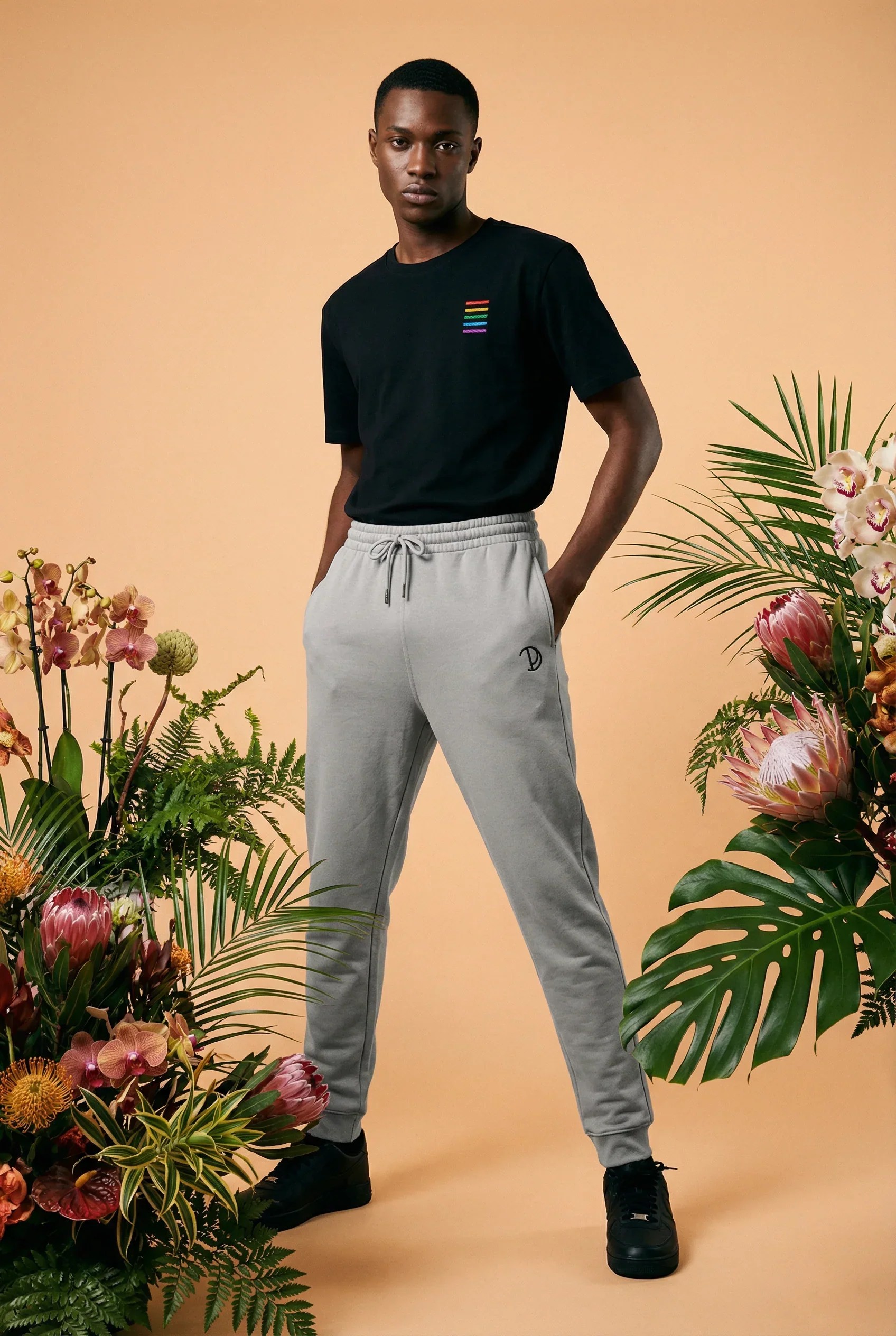
Accessories can extend a compact clothing system without requiring many additional garments. Bags, caps, jewellery and footwear can shift the same neutral base toward a sportier, cleaner or more expressive look. The advantage is that accessories usually take less storage space and can be repeated across many outfits. Fit experimentation also becomes easier when the wardrobe is not divided into rigid categories. A wearer may prefer a garment sold as unisex in one size and a more fitted cut in another style without treating that variation as inconsistency. The goal is a personal fit language based on proportions and comfort. Keeping notes on useful garment measurements can help with future online purchases, particularly when different brands use different size labels. Over time, those measurements become more reliable than assumptions about what a particular letter size should mean.
A gender-inclusive wardrobe can be practical, expressive and compact at the same time. Pitod provides clothing designed without traditional gender restrictions, while the wearer can focus on measurements, layering and material quality. Pieces that combine with several existing outfits and feel comfortable across ordinary routines are more likely to be worn repeatedly. The result is a wardrobe built around actual life and personal style instead of separate categories that may not reflect how someone wants to dress.