
Low-waste living is easier to maintain when changes are made around ordinary routines rather than around a complete lifestyle overhaul. A reusable product only reduces waste effectively when it is convenient enough to keep using and durable enough to replace many disposable versions. Jungle Culture sells safety razors, reusable straws, bamboo cutlery, dish brushes, coconut bowls and other lower-waste household items. The practical approach is to start with products that are used frequently and already create a noticeable stream of disposable packaging or short-lived replacements.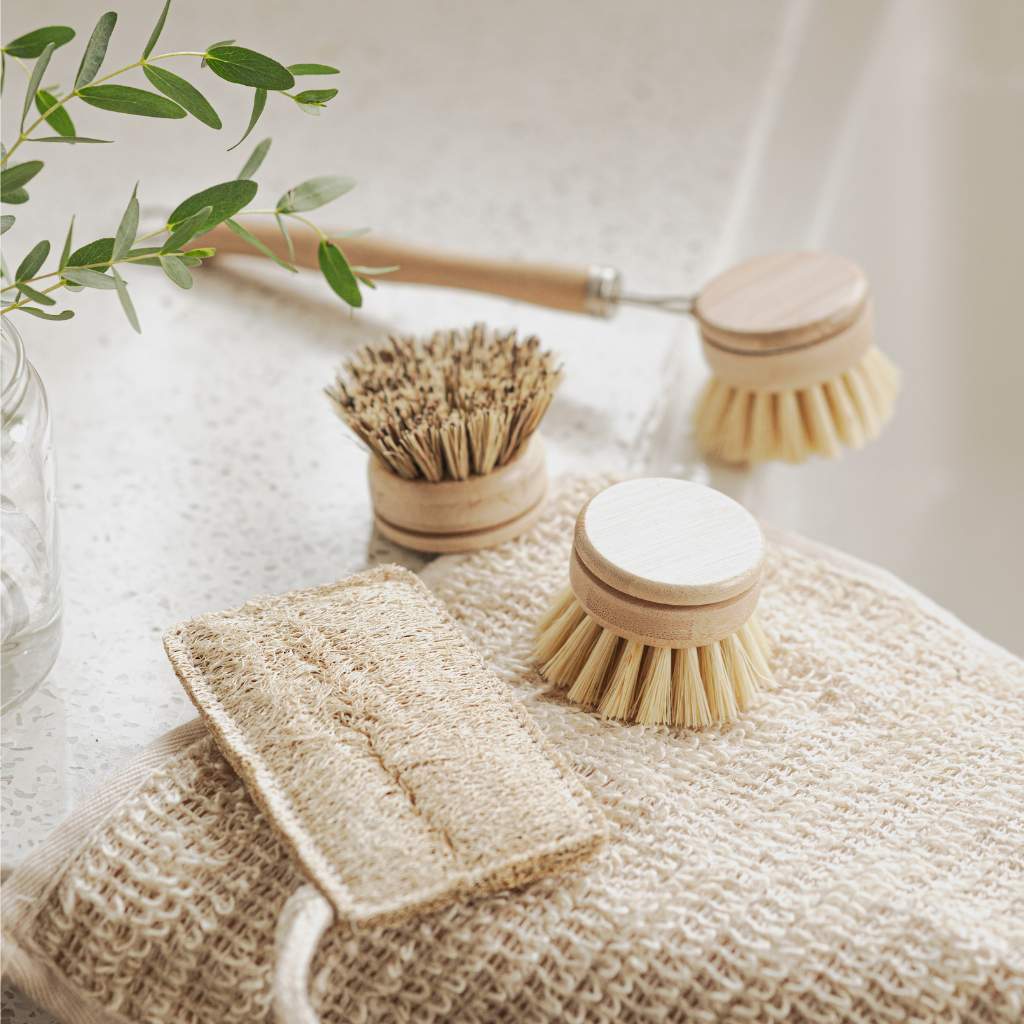
Start With High-Frequency Items That Are Easy to Swap
Bathrooms often provide an obvious starting point. Disposable razors and toothbrushes are replaced regularly, while refillable or durable alternatives can remain in use much longer. A reusable safety razor, however, requires a different technique from a cartridge razor. The user needs to be comfortable with blade handling, cleaning and safe disposal. A swap is successful when the new routine feels manageable after the initial learning period, not simply because the product uses less plastic.
Jungle Culture offers both metal and bamboo-handled safety razors, along with soap bars and other bathroom products. Those items still need to be stored in a way that allows them to dry. Leaving a razor or solid soap in standing water can shorten product life and create mess. A draining dish, stand or dry shelf may therefore be part of the swap even though it is not the main product. Small supporting changes often determine whether a reusable option works well in practice.
Choose Reusables That Fit Existing Cleaning Habits
The kitchen follows the same principle. Dish brushes, reusable cutlery and drinking straws should fit the way the household already washes and stores utensils. A reusable straw that requires a special brush should have that brush kept in an obvious place. Natural-fibre dish tools need enough airflow between uses. Coconut bowls or other specialty materials should be cleaned according to their care instructions rather than treated automatically like conventional dishwasher-safe tableware.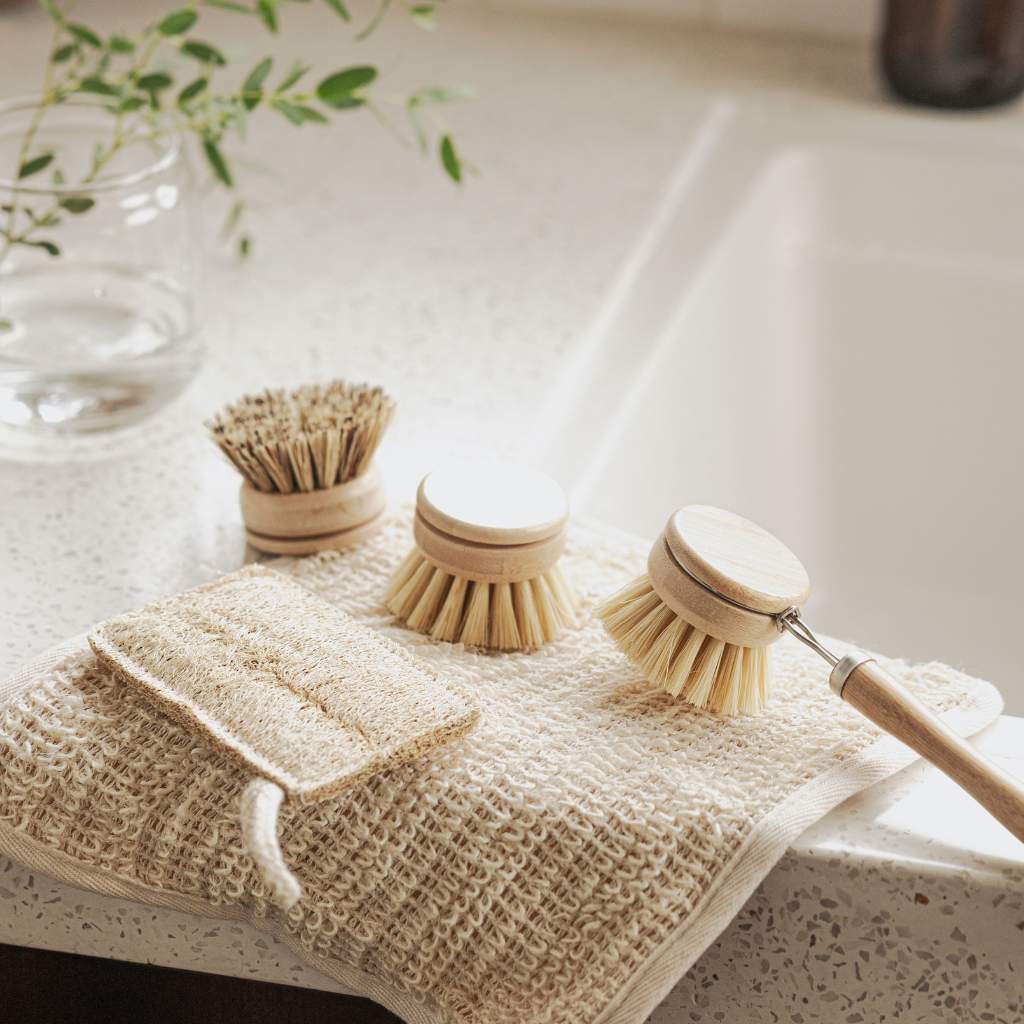
It is also important not to create waste in the name of reducing waste. Jungle Culture promotes reusable and zero-waste swaps, but an existing plastic item that still functions may be better used until the end of its useful life. Replacing every household product at once can create unnecessary cost and discard serviceable goods. Gradual replacement allows the household to learn which reusable formats actually suit its routines.
Avoid Replacing Products Before Their Useful Life Ends
A simple priority list can help decide which swap should happen next without turning the process into a large project.
- The first swap should replace an item that is used often and already needs frequent repurchasing.
- Cleaning and drying requirements should fit the household’s normal kitchen or bathroom routine.
- Existing serviceable products should usually be used up before an equivalent reusable item replaces them.
- Sharp, worn or end-of-life components should have a safe disposal or recycling route before the swap begins.
Build a Small System for Storage, Drying and Disposal
Consumables still need a disposal plan. Jungle Culture notes that standard double-edge razor blades can be collected for recycling, which is safer than placing loose blades directly in household waste. A dedicated blade container keeps sharp edges contained until enough have accumulated for an appropriate recycling route. Similar planning applies to worn natural brushes, packaging and any replaceable parts used by reusable products.
Travel is another area where reusable items can reduce repeated purchases. A compact cutlery set, reusable bottle or straw can move between work bags and day trips if the person already remembers to carry it. The challenge is cleaning and repacking. One simple habit, such as returning the clean item to the same bag after washing, can make the reusable option more dependable than relying on memory each morning.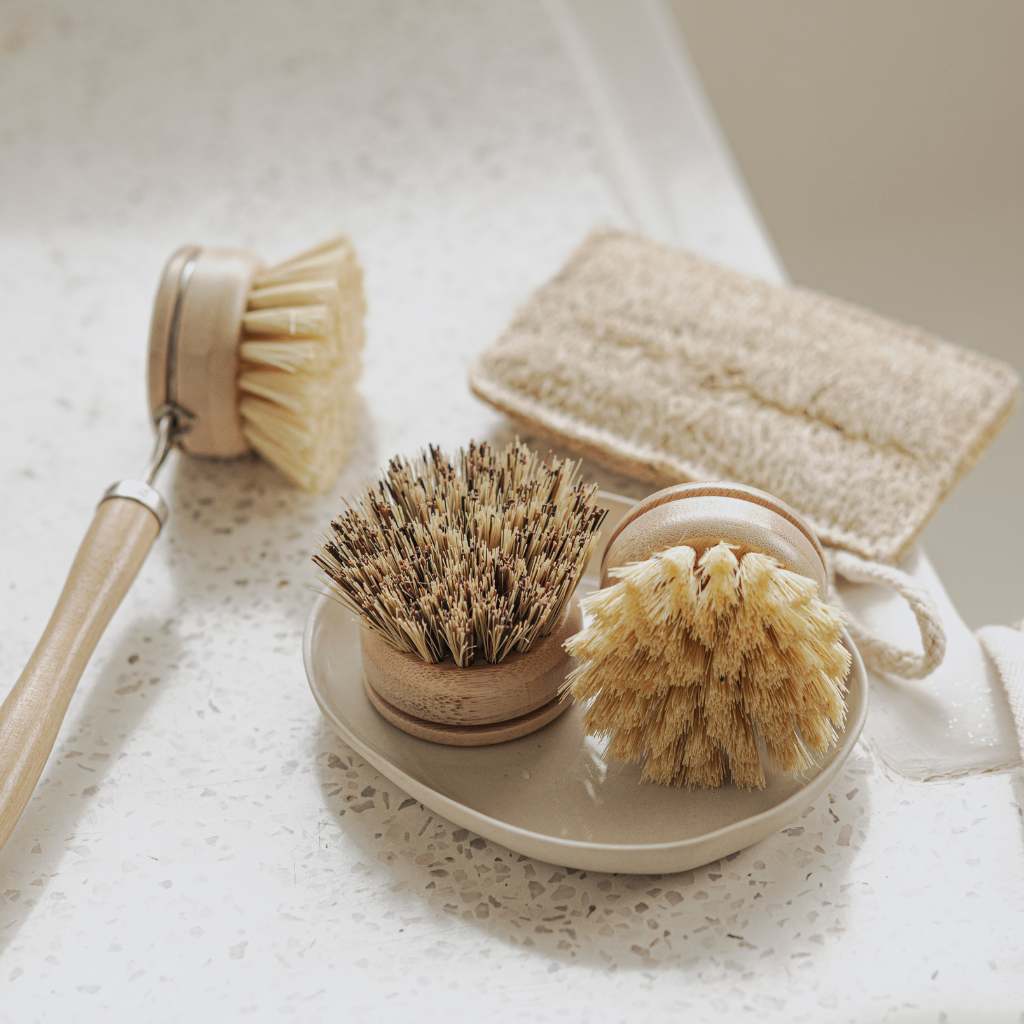
Cost should be judged over the life of the item rather than only at checkout. Some reusable products cost more initially because they are designed to remain in use while only a small component is replaced. The household can compare that cost with the repeated price of disposables, but durability depends on care. A reusable product that is lost, left wet or damaged through incorrect cleaning may never reach its expected lifespan. For shared households, it helps to explain where items are stored and how they are maintained so the system does not depend on one person. Reusables should also be purchased in realistic quantities. Buying several versions of a low-waste product before knowing whether the household likes the format can create a different kind of excess. One well-used item often represents a better starting point than a drawer full of sustainable alternatives.
Sustainable swaps work best when they reduce friction as well as waste. Jungle Culture provides many alternatives to disposable bathroom and kitchen products, but the household still needs to choose changes that fit cleaning, storage and safety habits. Starting with one high-frequency item, using existing products fully and building a simple maintenance routine creates a more realistic path than trying to replace everything at once.